

Wear-Resistant Mining Valves: Key Features to Know
- 2026-09-07 09:14:41
- admin
- NO COMMENTS
At the hydrocyclone feed manifold, the first sign of trouble is often a change in sound. The slurry control valve begins to hiss more sharply at partial travel, the downstream pressure needle wanders, and the actuator needs noticeably more torque to complete the same stroke. By the next inspection, a thin wet line may be visible around the seat area after isolation. The valve still operates, but the process is already telling the engineer that its wear rate has changed.
Mining slurry makes small design weaknesses grow quickly. Angular solids strike a restricted flow path, the local velocity rises, the seat edge erodes, and internal leakage concentrates the jet into an even more destructive path. In another common chain, solids settle in a body cavity during a low-flow period, the closure member begins to stick, actuator load increases, and the valve may not reach its safe position when the plant trips. These are not simply maintenance problems. They affect throughput, containment, and the reliability of mine safety equipment.
Wear-Resistant Valves for Mining: Key Features You Should Know
Why Wear-Resistant Valves Matter to Mine Safety Equipment
Enhancing Operational Efficiency
Wear-resistant valves keep a slurry circuit controllable between shutdowns. That requires more than a thick body. Engineers look at the pressure-drop location, possible collection points behind the seat, the way deposits are cleared, and whether wear parts can be replaced without removing the body. Full-bore paths suit isolation, while characterized openings suit genuine modulation.
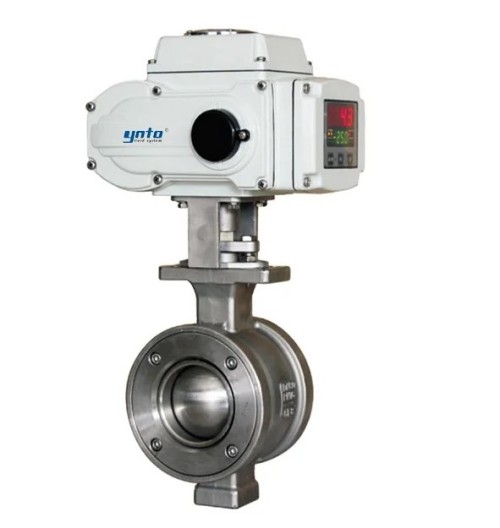
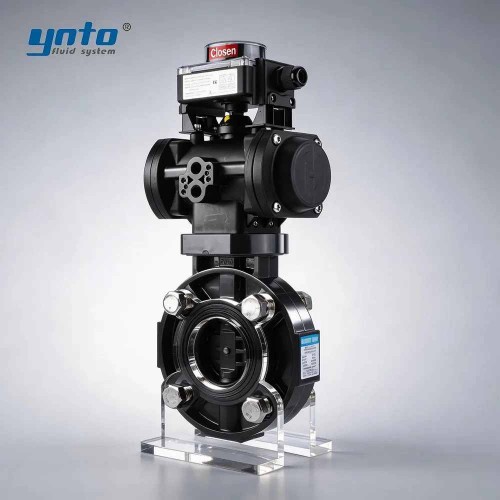
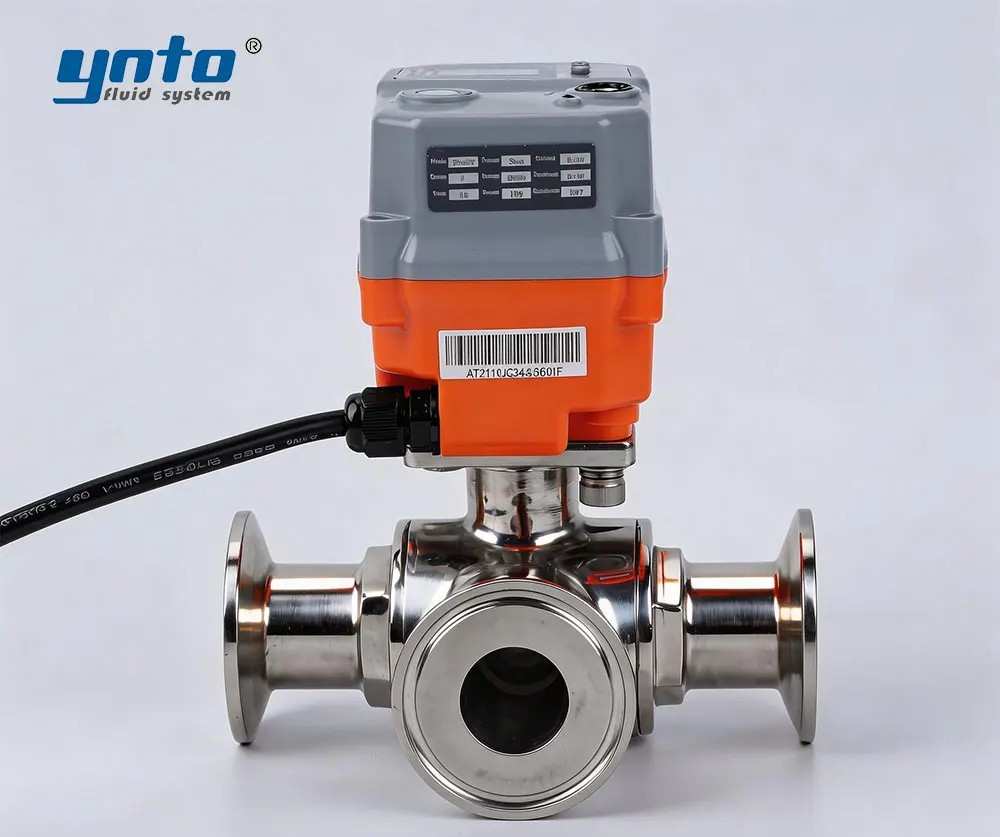
For variable flow, an electric V-type ball valve for slurry control can be considered where its pressure class, materials, seat, actuator torque, and solids tolerance match the application. The V-port changes flow area progressively and can shear fibrous material. It must still be sized across the flow range; an oversized valve operating near closed accelerates velocity-driven erosion.
Impacts on Mine Safety Equipment
A worn valve may pass enough slurry to defeat pump isolation, overfill a sump, or expose personnel during line opening. High-pressure tailings and concentrate lines add stored energy, while acidic leach liquor adds chemical exposure. Safe work therefore depends on verified isolation, depressurization, draining or flushing, lockout/tagout, restrained pipework, and confirmation of zero energy before the body is opened.
Pressure containment must be treated separately from abrasion resistance. Hard trim does not compensate for an underrated shell, unsuitable flange, or weakened fastener. External leakage around the stem also deserves early attention: abrasive fines damage packing, packing friction rises, and the extra torque can hide a developing sealing problem until an actuator stalls.
High-Performance Valves in Fluid Handling Solutions
Definition and Characteristics
In field terms, high-performance valves remain predictable across the operating envelope. Useful characteristics include a stable flow path, protected stem and bearings, guided movement, suitable shutoff, replaceable wear parts, and an actuator sized for dirty-service torque. Geometry follows duty: knife gates and pinch valves often suit coarse on/off slurry; qualified metal-seated ball valves can handle higher-pressure isolation; diaphragm valves fit corrosive dosing or mildly abrasive service.
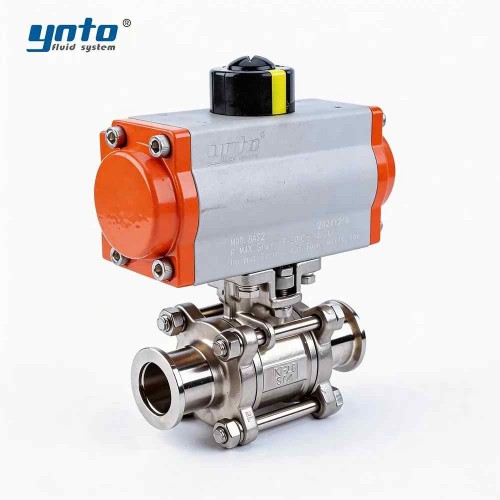
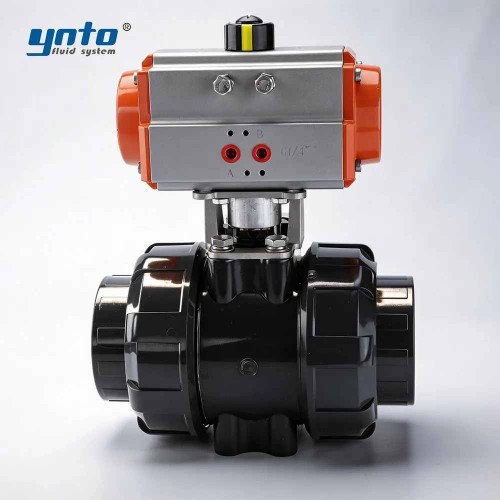
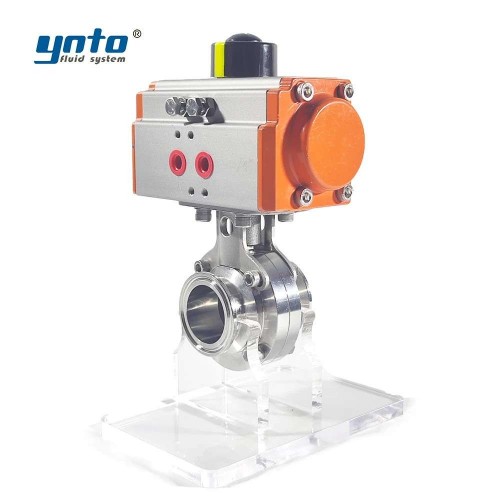
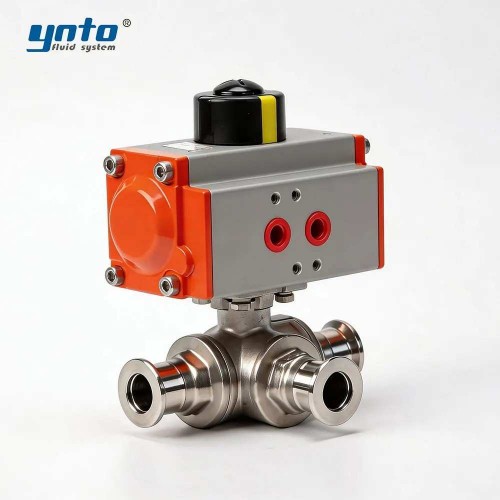
With instrument air available, a pneumatic V-type control ball valve is another candidate for fine suspensions and fibrous media. Procurement should go beyond the catalog: request the trim, allowable differential pressure, leakage criterion, minimum controllable flow, actuator output at minimum air pressure, and evidence of assessment for the stated slurry.
The Role of Fluid Handling Solutions
A valve cannot correct poor piping. An upstream elbow can load one side of the trim with solids; a vertical dead leg can pack; a sudden reducer can create a high-velocity wear zone. Moving the valve away from disturbed flow may add more life than a harder alloy alone.
The complete fluid handling solution coordinates pumps, velocity, flush connections, drains, instruments, and surge control. Low velocity encourages settling; excessive velocity increases erosive energy. Engineers define the workable window from density, solids concentration, particle size and shape, settling behavior, viscosity, and elevation profile—not a copied clean-water rule.
Wear-Resistant Materials and Advanced Coatings
Types of Wear-Resistant Materials Used
Material selection begins by separating erosion, corrosion, impact, and sliding wear. Carbon or alloy steel can provide economical shell strength, while wetted surfaces may need hardfacing or a liner. 316L suits many process-water and chemical duties; Duplex or Super Duplex may suit harsher chloride exposure. No stainless label guarantees slurry life, because localized velocity still governs wear.
Soft materials also have a place. EPDM may suit water-based slurries, FKM certain hydrocarbons and chemicals, and PTFE duties needing broad chemical resistance and low friction. Sharp particles can cut or embed in any of them. Compare chemistry, temperature cycling, angularity, pressure, and shutoff before selecting seats, sleeves, diaphragms, or packing.
The Benefits of Advanced Coatings
Tungsten-carbide or chromium-carbide coatings, ceramic linings, and weld hardfacing can protect trim when matched to the wear mechanism. Hardness alone is insufficient. Thickness, bond strength, porosity, finish, edge support, impact resistance, and base preparation determine whether the layer wears gradually or chips.
External FBE can protect carbon-steel bodies from the mine environment; Halar may suit selected corrosive exposures. These differ from hard trim. The specification should identify wetted and external surfaces plus required inspection or holiday testing. Otherwise “coated valve” remains ambiguous.
Wear-Resistant Valves in Hydraulic Mining Solutions
Case Studies of Successful Implementations
Consider a thickener-underflow line cycling between dense slurry and flush water. A soft-seated valve may seal at commissioning, then develop rising torque as particles enter the seat. A qualified metal-seat or purpose-designed slurry valve, paired with controlled flushing, localizes wear on replaceable parts and keeps the cavity clear. The improvement comes from the arrangement, not a material name alone.
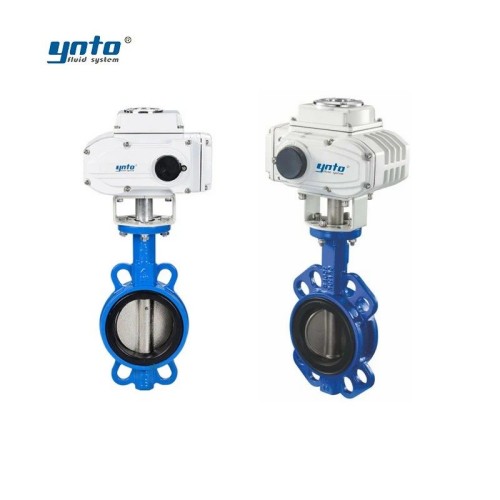
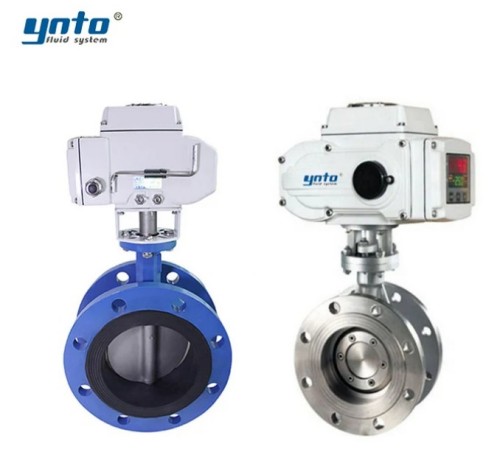
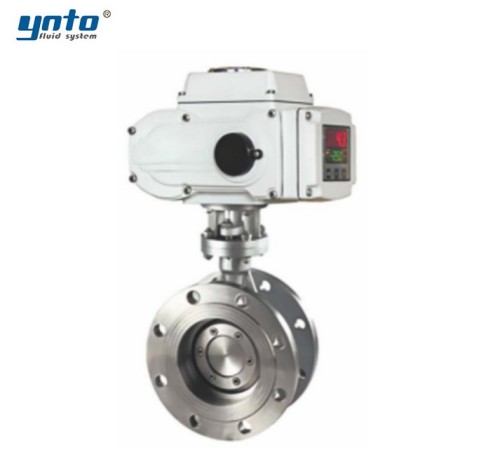
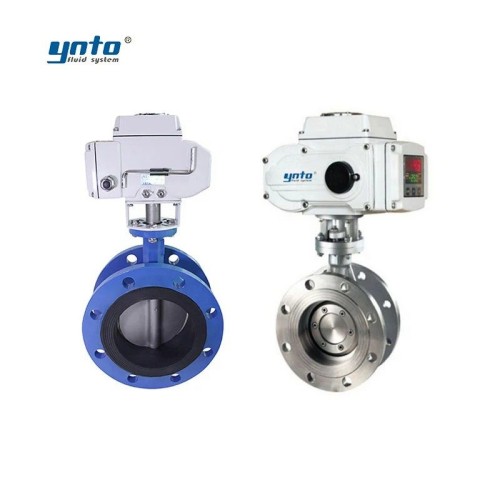
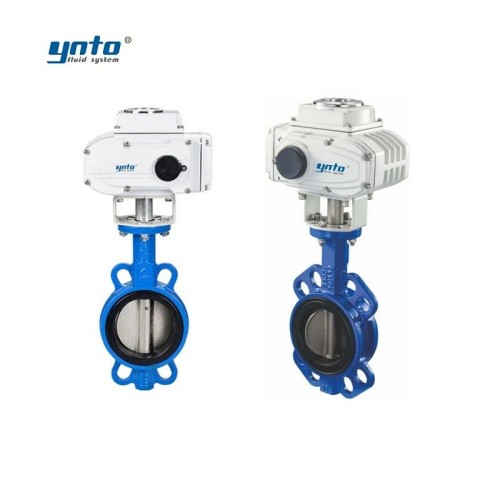
In large-diameter process water carrying limited fines, an electric triple-eccentric hard-seal butterfly valve may provide compact automated isolation. Do not assume it suits dense, coarse slurry. Confirm solids loading, disc exposure, seat contact, pressure drop, shutoff, and cleaning access before treating it as a mining valve.
Advantages Over Conventional Solutions
Purpose-selected material handling valves concentrate wear where it can be inspected and repaired. A replaceable sleeve, liner, seat ring, or hardfaced trim can shorten an outage and protect the pressure boundary. Designs with fewer stagnant cavities reduce packing, while guided closure members limit vibration at low flow. These features improve lifecycle cost even when purchase price is higher.
The key comparison is cost per operating cycle or tonne processed, not invoice value. Include removal labor, scaffolding or crane access, lost production, spare-part lead time, flushing water, and the safety controls needed for each intervention. A cheaper valve replaced three times in a remote area can be the most expensive option on the line.
Integration with Heavy Machinery Components
Compatibility, Automation, and Performance
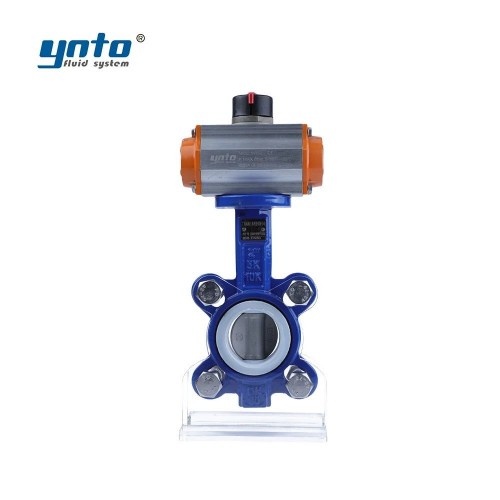
Valves around pumps, thickeners, hydrocyclones, and dewatering equipment need a coherent control philosophy. Pump permissives should confirm valve position; a failed limit switch is not proven isolation. A correctly sized pneumatic actuator can support spring-return action, subject to available air pressure, break torque, stroke time, and the consequences of failure.
Actuator sizing needs a dirty-service margin based on maximum differential pressure and credible buildup. A common commissioning warning is free travel with an empty pipe followed by slow travel under slurry. Position feedback, motor current or air-pressure trends, and stroke-time alarms should reveal rising friction before an emergency command is missed.
Maintenance Considerations and Standards
Inspection intervals should follow wear rate and criticality. When replacement is planned, a pneumatic actuator for quarter-turn valves must be checked against dirty-service torque and the required fail action. Trend leakage, travel time, pressure drop, vibration, coating loss, sleeve condition, and packing adjustment. Repeatedly increasing force can damage stems, couplings, or seats while masking the cause. Retain as-found measurements and removed-part observations for the next material review.
Standards provide a qualification language, but the specification must state which apply. ANSI/ASME B16.34 addresses pressure-temperature ratings, materials, examination, testing, dimensions, and marking within its scope. API 598 is referenced for valve inspection and pressure testing. ISO 5208 covers pressure-boundary integrity and closure tightness; DIN EN 12266-1 defines production pressure-test procedures and acceptance criteria. ISO 5211 governs part-turn actuator interfaces. None alone proves abrasion resistance or slurry suitability.
Conclusion: Selecting Material Handling Valves
Summary of Features to Consider
A reliable mining-valve specification describes the service before the product. Provide the slurry chemistry, solids percentage by mass and volume, particle-size distribution, maximum particle size, hardness or mineralogy, density, temperature range, normal and peak flow, pressure class, maximum differential pressure, operating frequency, control requirement, fail position, leakage target, connection standard, and available maintenance space.
Then compare valve geometry, wear-resistant materials, coating system, cavity behavior, replaceable parts, stem protection, actuator torque, and test documentation. For automated duties, the YNTO YT-20/40 electric actuator should be reviewed as part of the configured package, not selected by nominal torque alone. Ask the supplier to mark every assumption and exception. That discipline prevents a familiar purchasing mistake: a valve that fits the flange and pressure class but fails the actual wear mechanism.
Future Developments in Valve Technologies
Future high-performance valves will combine tougher surfaces with better evidence. Travel, torque, vibration, and pressure data can reveal buildup or deterioration before leakage appears. Digital diagnostics will help remote hydraulic mining solutions when sensors are protected from washdown, dust, vibration, and electrical hazards.
Give YNTO the complete operating envelope so its engineers can assess valve type, wetted materials, sealing, actuation, signal, and standards. The aim is predictable control, maintainable wear parts, and fewer interventions around hazardous slurry lines.
.png?imageMogr2/format/webp)
- 2026-09-30 08:25:23
- 2026-09-28 10:28:43
- 2026-09-21 15:23:44