

Sprinkler Backflow Preventer: Why Your System Needs One
- 2026-09-04 10:03:12
- admin
- NO COMMENTS
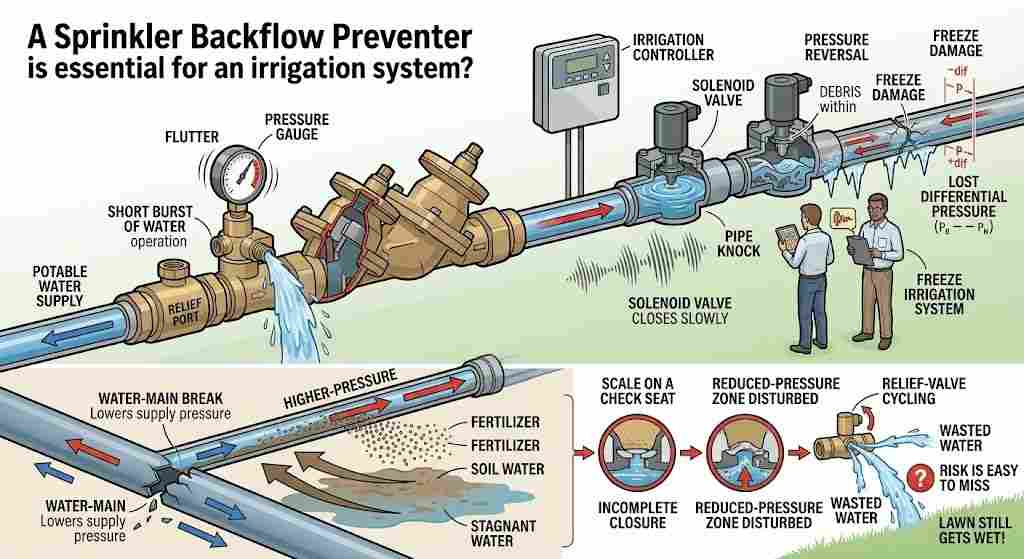
The irrigation controller clicks on before sunrise, the first zone rises, and then the pressure gauge begins to flutter. Near the service connection, a relief port releases a short burst of water. Farther downstream, one solenoid closes slowly and the pipe gives a dull knock. Engineers notice because these signs may indicate debris, pressure reversal, freeze damage, or lost differential pressure.
The lawn still gets wet, so the risk is easy to miss. A water-main break lowers supply pressure, the irrigation branch becomes the higher-pressure side, and fertilizer, soil water, or stagnant water can move toward the potable line. Another chain starts with scale on a check seat: incomplete closure disturbs the reduced-pressure zone, causing relief-valve cycling and wasted water.
Understanding the Importance of a Sprinkler Backflow Preventer in Your System
Introduction to Sprinkler Backflow Prevention
Definition of Backflow
Backflow is unwanted reverse movement from a non-potable system into a drinking-water supply. Backsiphonage occurs when supply pressure falls below downstream pressure; backpressure occurs when a pump, elevation, or another source raises downstream pressure above the supply. Irrigation is a cross-connection because its piping can contain soil organisms, fertilizers, pesticides, and stagnant water.
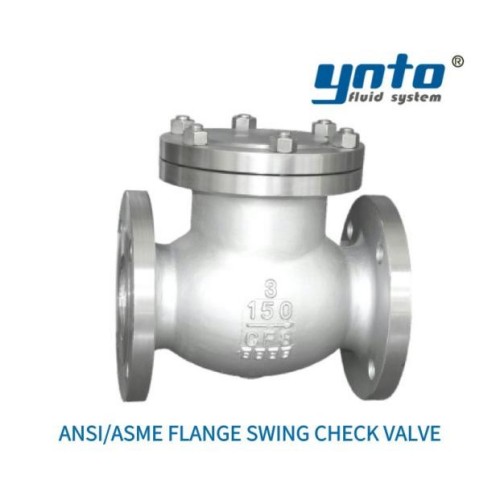
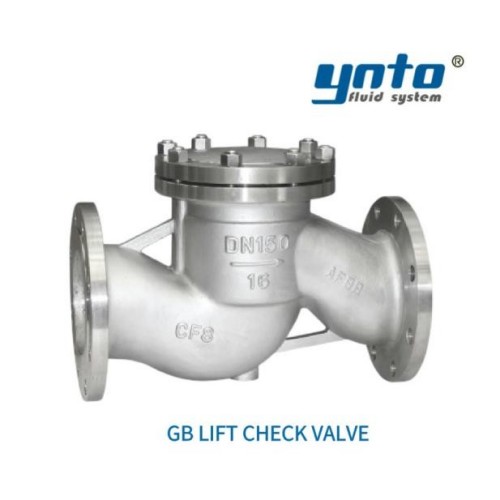
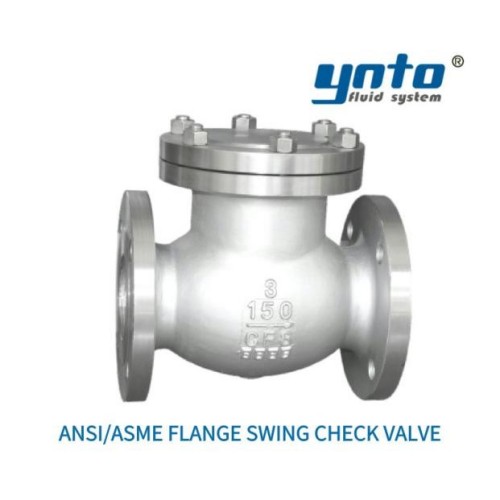
A conventional ANSI/ASME flange swing check valve opens with forward flow and closes on reversal, making it useful for equipment protection. It is not automatically an approved backflow preventer in a sprinkler system. Potable-water protection often requires a listed, testable assembly with redundant barriers and test cocks.
Importance of Prevention Methods
Backflow prevention protects more than one property. If a contaminated branch communicates with the service main, neighboring premises may be affected. The U.S. EPA defines cross-connections as actual or potential links through which non-potable material can enter plumbing or distribution systems during backflow.
Protection must work during abnormal pressure, not only normal irrigation. Ball valves, control valves, diaphragm valves, and pump checks may operate the branch, but they do not replace the assembly approved for the identified hazard.
Types of Backflow Preventers in Sprinkler Systems
Overview of a Backflow Preventer in a Sprinkler System
An atmospheric vacuum breaker, or AVB, addresses backsiphonage but cannot remain continuously pressurized, and downstream valves are generally prohibited. A pressure vacuum breaker, or PVB, also addresses backsiphonage and can remain pressurized when installed to code. A double-check assembly handles backsiphonage and backpressure where the authority permits it, usually for lower-hazard service.
Every device adds pressure loss. If inlet pressure is adequate but coverage weakens after installation, compare design flow, the manufacturer’s loss curve, elevation, pipe loss, and nozzle demand before blaming zone valves.
Focus on Reduced Pressure Zone Backflow Preventers
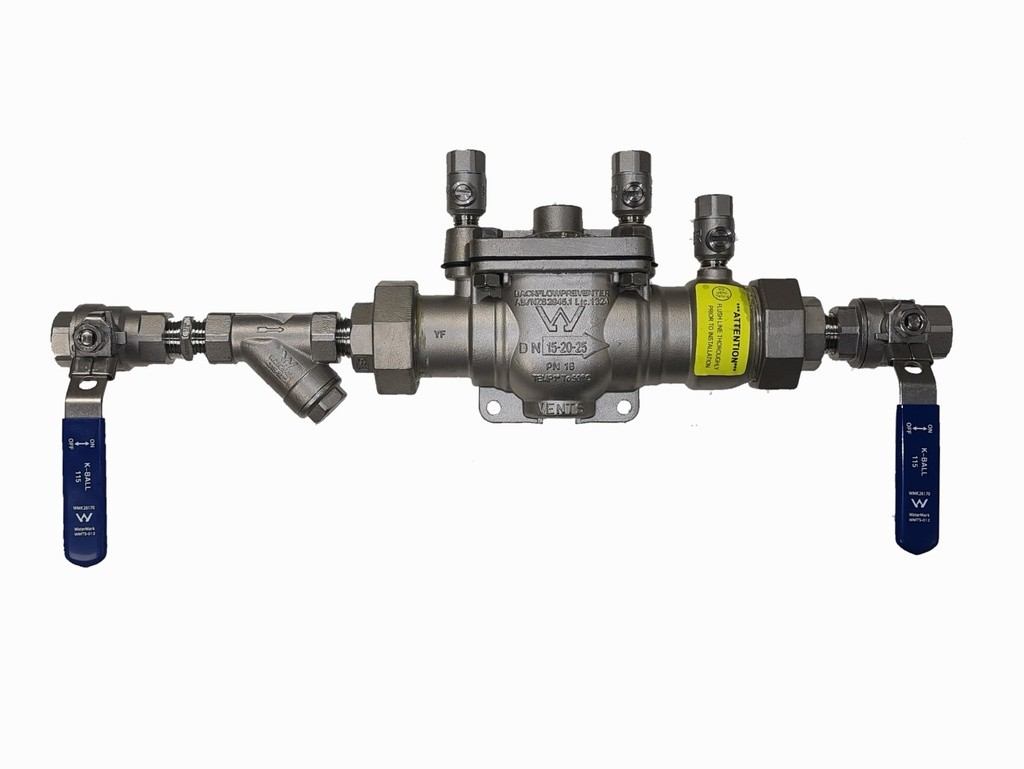
A reduced pressure zone backflow preventer uses two independently acting checks with a differential-pressure relief valve between them. If the first check leaks or pressure becomes unsafe, the relief function provides a visible discharge path. An RPZ can therefore protect many high-hazard connections against backsiphonage and backpressure, subject to local approval.
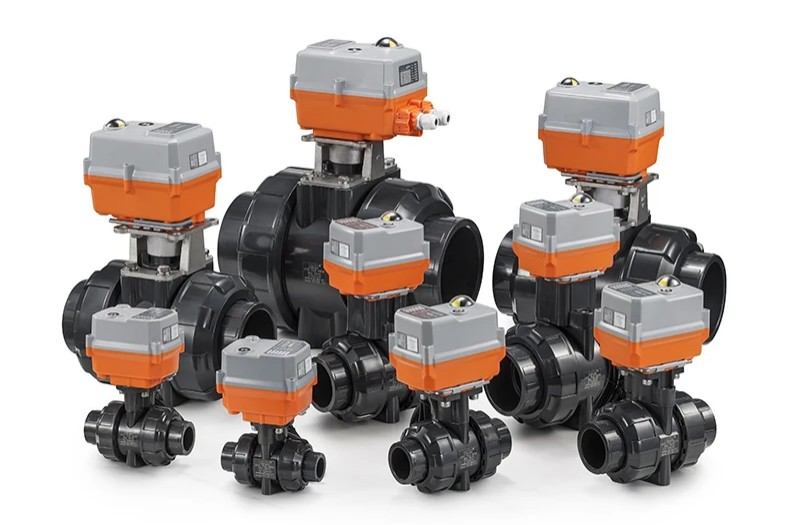
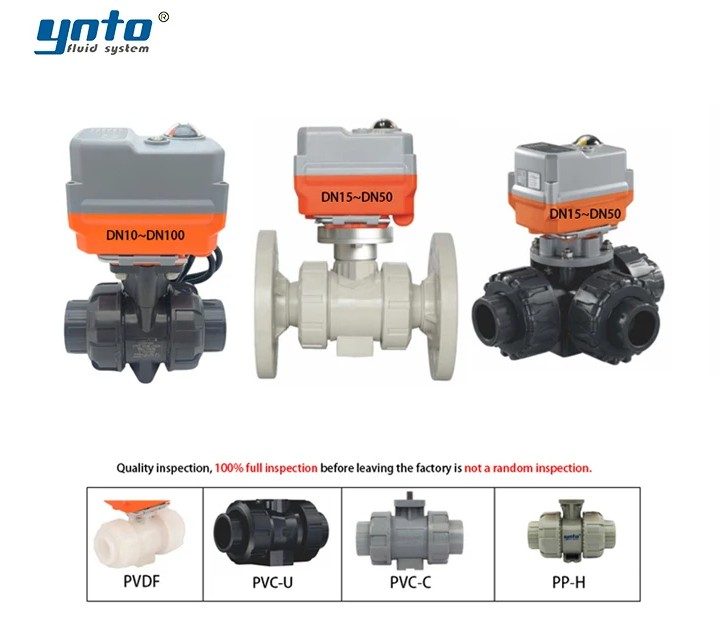
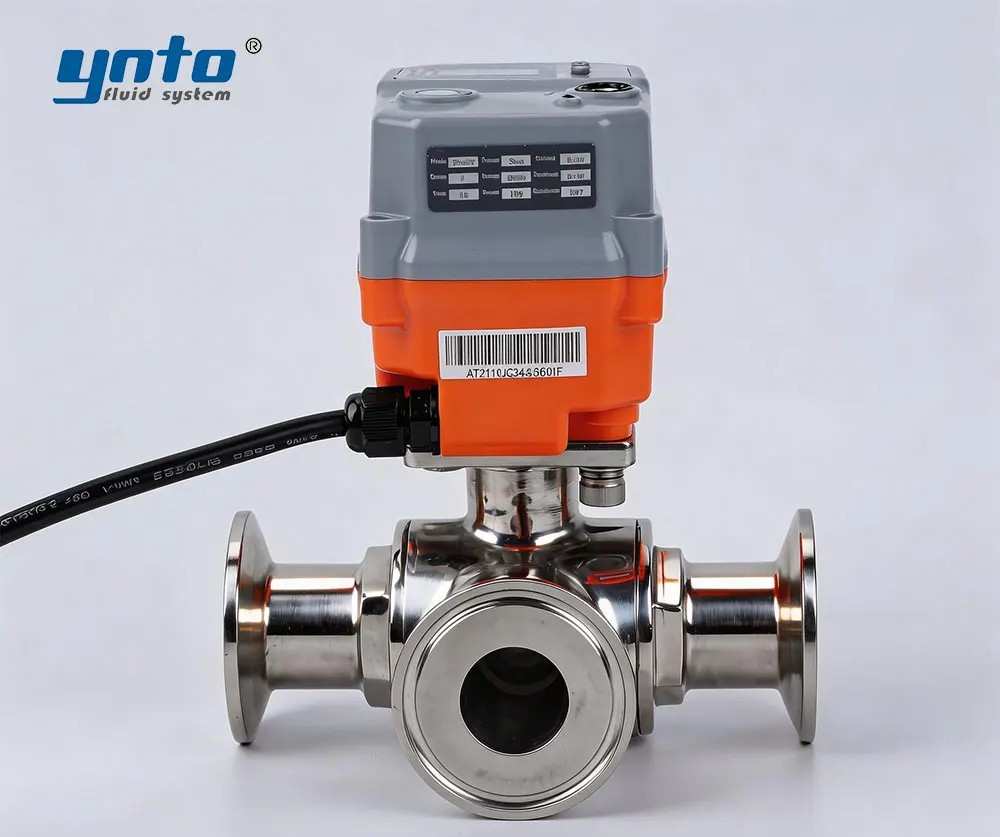
Never plug the relief opening. Indoor units need adequate drainage; outdoor units need protection from freezing, flooding, and impact. A qualified electric UPVC ball valve may isolate a separate irrigation branch, but it is not part of a certified RPZ unless the complete configuration is listed.
Comparison of Backflow Preventer Types
Selection begins with hazard and reversal mechanism. AVB and PVB arrangements address backsiphonage. An RPZ addresses backsiphonage and backpressure and is commonly required where chemical injection creates a health hazard. A double-check assembly may lose less pressure but can be restricted to lower-hazard service.
The decisive questions are whether downstream pressure can exceed supply, whether chemicals are injected, whether pressure is continuous, and whether relief discharge can drain safely. Price comes later.
Regulations for Irrigation System Backflow Preventers
Local Codes and Requirements
Backflow rules are local. The adopted code, water utility, health department, and authority having jurisdiction determine the device, listing, installation, drainage, test interval, and tester qualification. The 2021 International Plumbing Code allows several vacuum-breaker and reduced-pressure options for irrigation; chemical injection requires reduced-pressure principle protection. Local amendments may be stricter.
Approved markings matter. ANSI/ASSE 1013 covers RPZ assemblies, ASSE 1015 double-check assemblies, and ASSE 1020 pressure vacuum breakers. AWWA C510 and C511 cover double-check and RPZ assemblies. In Europe, DIN/EN 1717 addresses potable-water protection, while EN 12729 covers controllable reduced-pressure-zone devices.
Implications for Irrigation System Backflow Preventers
Standards are not interchangeable. ASME B16.34, API 598, and ISO 5208 can influence ratings and testing of associated industrial valves, but they do not replace an ANSI/ASSE, AWWA, or locally required listing. Passing API testing does not prove a complete sprinkler backflow preventer is approved for potable service.
Material selection needs equal care. 316L can suit corrosive water; Duplex or Super Duplex may suit severe chloride exposure. EPDM is common in water service, while FKM or PTFE may fit selected chemicals if potable approval is confirmed. Carbon or alloy steel may need external FBE; Halar can resist some chemicals. No coating corrects the wrong device classification.
How Backflow Preventers Safeguard Your Irrigation System
Keeping Contaminants Out of the Drinking Water Supply
The assembly maintains controlled barriers between potable and irrigation water. Test cocks let a qualified tester verify the checks and relief valve against required differentials. That testability distinguishes a certified assembly from a single non-return valve.
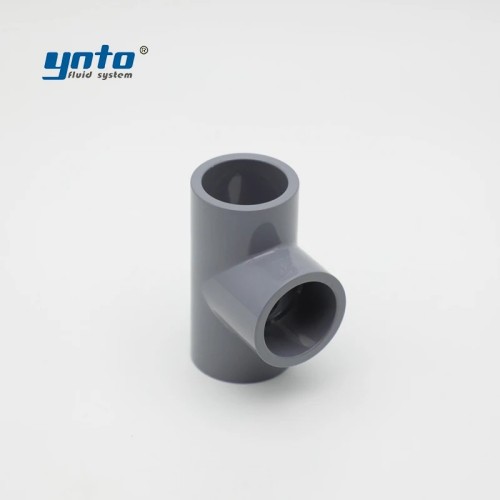
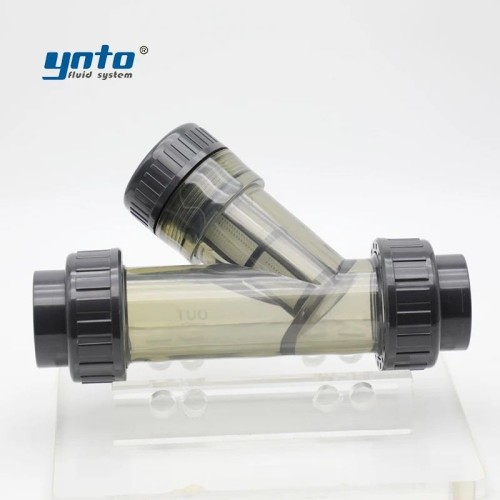
Debris control still matters. Scale on a check seat can cause leakage and repeated relief discharge. A serviceable T-type pipeline filter may protect downstream equipment, but filtration is neither disinfection nor a backflow barrier. Include screen area, pressure loss, cleaning access, and materials in the hydraulic review.
Long-Term Benefits for Sprinkler Systems
A correctly selected sprinkler system backflow preventer reduces contamination risk, supports compliance, and provides measurable acceptance criteria. Relief discharge after transients or differential readings trending toward a limit can expose deterioration before a complaint occurs.
Pressure loss can reduce nozzle radius or create uneven zones if omitted from sizing. Fire sprinklers require a separate hydraulic calculation and fire-authority approval; never copy a landscape-irrigation selection into fire service merely because both use the word “sprinkler.”
Signs Your Backflow Preventer Needs Maintenance
Common Issues to Look For
Inspection clues include persistent relief discharge, unstable differential pressure, low downstream pressure, chatter, corroded test cocks, freeze cracks, or stiff isolation handles. Brief discharge during a disturbance can be normal RPZ operation. Continuous flow, repeated cycling, or a failed field test requires investigation.
Temperature cycling hardens elastomers, raising friction and allowing leakage. Debris creates another chain: particles reach the first check, closure becomes incomplete, zone pressure rises, and the relief valve opens. Plugging the drain hides the symptom while removing protection.
Maintenance Best Practices
Follow the local test interval and use a certified tester where required. Before internal work, isolate water, release stored pressure, verify zero pressure, control discharge, and protect personnel from treated irrigation water. Never dismantle a pressurized assembly or stand over an opening test cock.
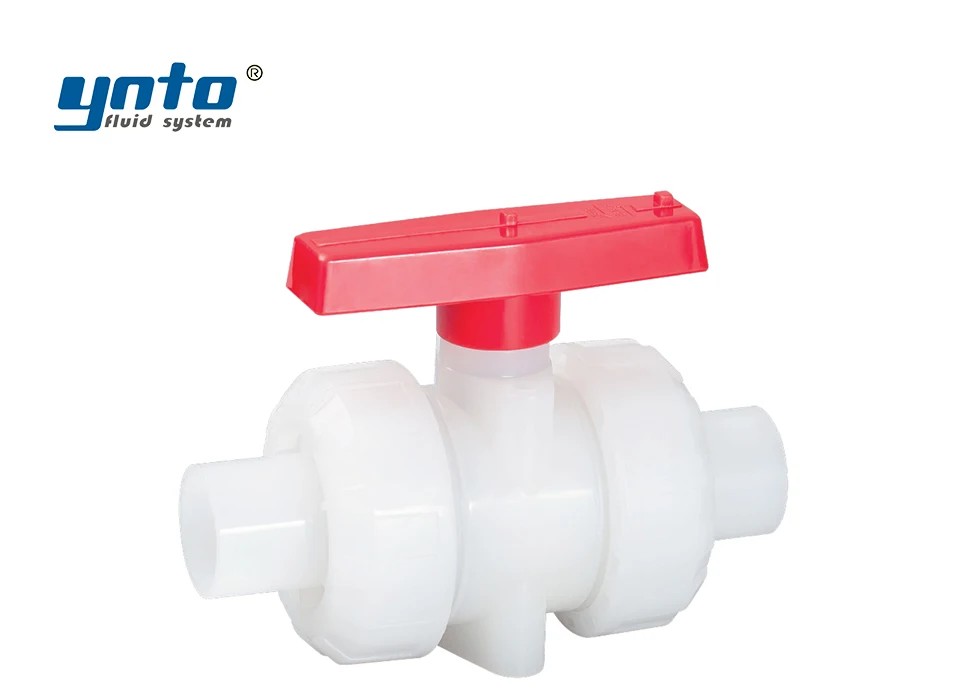
Winterization must drain trapped cavities without unapproved bypasses. Retain test reports, as-found values, repairs, and retest results. A chemical-resistant true-union ball valve can simplify compatible branch isolation, but it must not bypass, modify, or replace the approved assembly.
Choosing the Right Backflow Preventer for Your Needs
Factors Influencing Selection
Start with the authority’s hazard classification. Confirm backsiphonage, backpressure, continuous pressure, chemical injection, design flow, inlet pressure, size, connection, orientation, drainage, flood risk, freezing, and access. Before requesting a quotation, obtain the exact listing, pressure-loss curve, temperature range, repair-kit availability, and test procedure.
Lowest price rarely means lowest lifecycle cost. An undersized assembly wastes pressure; an indoor RPZ without drainage creates property risk; a buried unit exposed to submersion may violate code and contaminate test components.
Top-Rated Products and Reviews
Treat “top-rated” as documented suitability, not star count. Look for certification, authority approval, pressure-loss data, accessible test points, replaceable internals, service support, and traceable records. Reviews may reveal freeze sensitivity or parts delays, but cannot override the approved-product list.
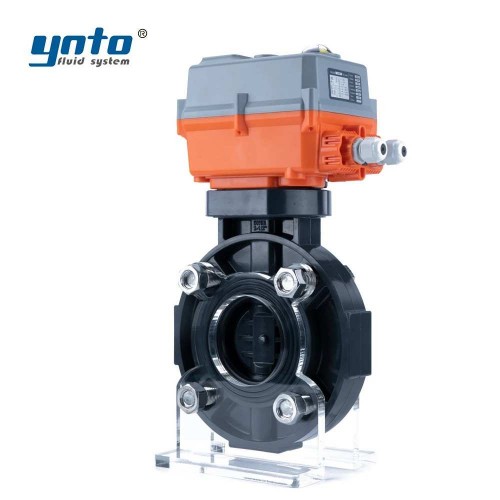
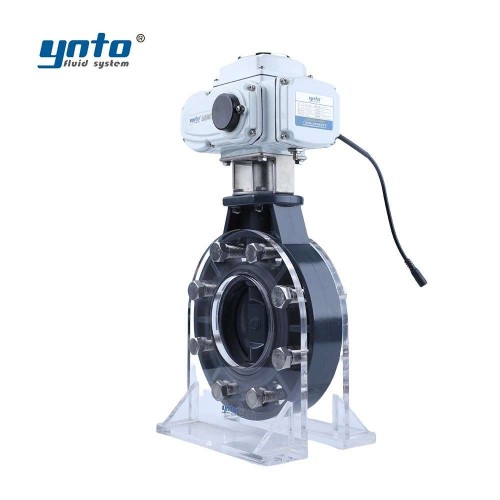
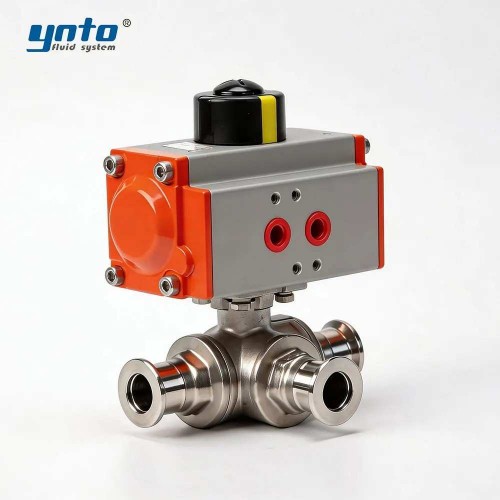
Buyers searching “backflow preventer sprinkler” or “backflow preventer for sprinkler system” still need a listed assembly, not a keyword match. YNTO can support surrounding check, filtration, isolation, electric valve, pneumatic valve, and actuator duties. A 24 V motorized PVC butterfly valve may isolate a compatible larger branch after engineering review, but it does not replace the approved backflow assembly.
Conclusion: Protecting Your Water Supply with a Sprinkler Backflow Preventer
A sprinkler backflow preventer separates drinking water from a branch exposed to soil, chemicals, and stagnation. Vacuum breakers address backsiphonage within their limits; an RPZ provides testable protection against backsiphonage and backpressure for many higher-hazard applications.
Confirm local code first, size with real flow and pressure-loss data, provide drainage and freeze protection, specify approved materials, and plan testing. Then coordinate YNTO check valves, filters, isolation valves, control valves, diaphragm valves, and actuators without confusing them with the certified assembly. That distinction protects both the water supply and the specification.
.png?imageMogr2/format/webp)
- 2026-09-30 08:25:23
- 2026-09-28 10:28:43
- 2026-09-21 15:23:44