

فوائد صمامات العزل ثنائية الاتجاه منخفضة اللزوجة لكفاءة الطاقة
- 2026-06-26 09:44:01
- admin
- NO COMMENTS
مقدمة
في العديد من الأنظمة الصناعية التي تتعامل مع سوائل منخفضة اللزوجة مثل الماء أو المذيبات، غالبا ما يلاحظ المهندسون العاملون في الموقع نمطا متكررا: تذبذبات ضغط أو تسريبات صغيرة عند الصمامات. على سبيل المثال، أثناء الفحص الروتيني لخط معالجة المياه، قد يلاحظ المهندس أن صمام الفراشة يظهر تسرب طفيف ويحتاج إلى زيادة عزم الدوران للعمل. هذا السيناريو مألوف جدا. أفاد المهندسون أن ارتفاعات الضغط يمكن أن تسبب اهتزاز أقراص الصمامات بشكل مجهري، مما يؤدي إلى تآكل طويل الأمد وتأخر في الاستجابة. وبالمثل، يمكن أن يؤدي التدوير الحراري السريع للسائل إلى إجهاد مواد الختم (مثل PTFE أو المطاط)، مما يسبب تسريبات بطيئة غير متوقعة تحت الختم. إذا كان السائل عدوانيا، فقد تتآكل مواد الصمام غير المتطابقة محليا، مما يؤدي إلى تكون الحفر وتقصير عمر الصمامات. توضح هذه السلاسل الناتجة (مثل تقلب درجة حرارة السائل → إجهاد الختم → التسرب) كيف تتراكم المشاكل الدقيقة إلى تدهور كبير في الأداء مع مرور الوقت. في الميدان، هناك دليل شائع وهو أن ظروف التدفق الصغيرة تصبح غير منتظمة، أو يزداد عزم دوران المشغل للأعلى – علامات على زيادة الاحتكاك أو تلف الختم.
وفي الوقت نفسه، تشكل السوائل منخفضة اللزوجة نفسها تحديات. السوائل الرقيقة تتدفق بسهولة، لكنها قد تتآكل الأختام وتقص بشكل أسرع وتضخم مسارات التسرب عندما لا تصمم الصمامات لإغلاق محكم. يمكن أن يؤدي عدم كفاية التحكم في الضغط إلى تجاوز التردد: قد يؤدي ارتفاع الضغط المفاجئ إلى تحريك الرواسب، ثم خفض ضغط النظام إلى ما دون نقطة الضبط، مما يؤدي إلى إطلاق إنذارات الحماية. غالبا ما يلاحظ المهندسون في الموقع أن الحفاظ على ضغط مستقر ومنع التسربات يتطلب أداء صمامات دقيقا. في العديد من العمليات الميدانية، يلاحظ أن حتى التوتر الطفيف في الصمام أو التسرب يجبر المضخة على العمل بجهد أكبر، مما يهدر الطاقة. المشكلة ليست مجرد إزعاج – بل التحكم غير الفعال في التدفق يؤدي إلى زيادة استهلاك الطاقة. لحسن الحظ، تصاميم الصمامات الحديثة تعالج هذه المشاكل. من خلال تحليل دقيق للسبب والنتيجة في خط الأنابيب – على سبيل المثال، فهم أن موجة الضغط ⇒ تآكل جزء الصمام ⇒ بطء وقت الإغلاق – نرى كيف يمكن لتقنية الصمام المناسبة أن تكسر سلسلة الفشل.
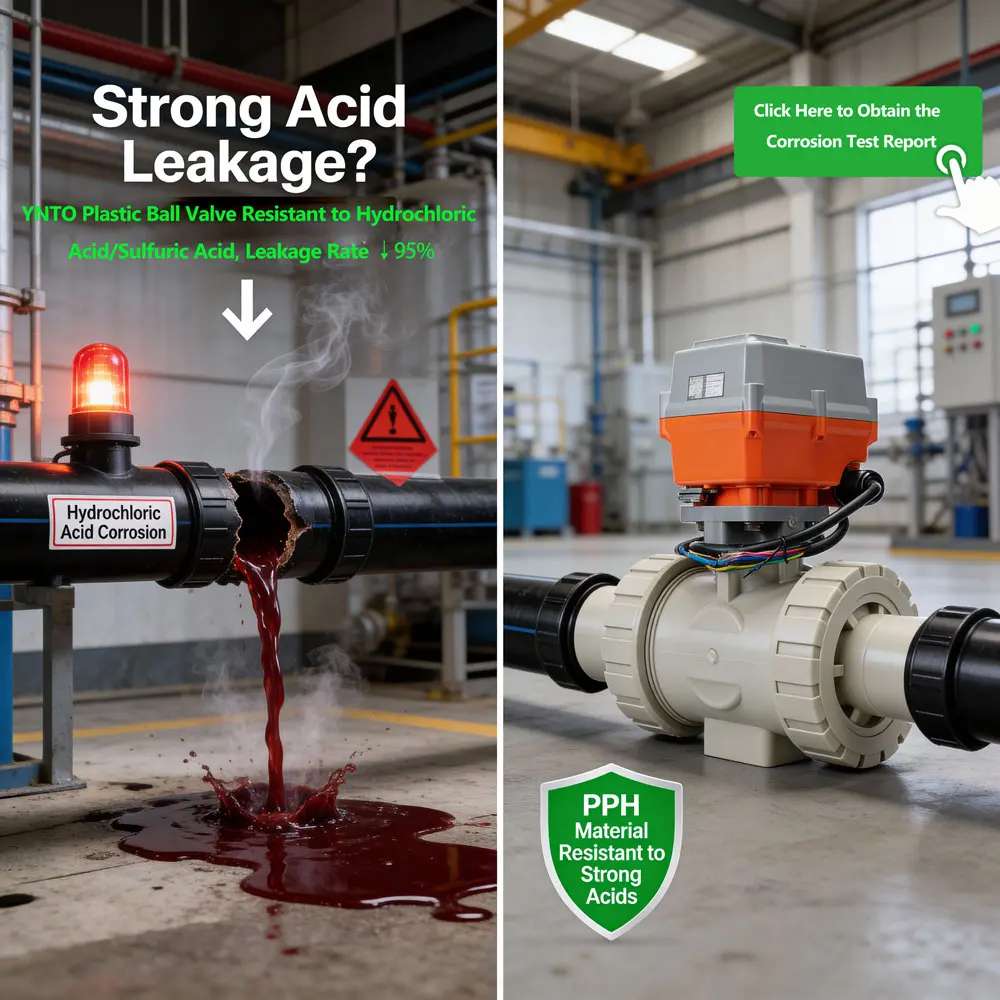
ميكانيكا أنظمة التحكم في السوائل
نظرة عامة على اللزوجة المنخفضة وأهميته
الوسائط منخفضة اللزوجة (مثل الماء أو المذيبات أو الزيوت الخفيفة) لها مقاومة داخلية قليلة، مما يعني أنها يمكن أن تتدفق بسرعة حتى عبر الفتحات الصغيرة. هذا مفيد عموما للكفاءة، لكنه يتطلب إحداما دقيقا لمنع التسرب. من حيث ديناميكا الموائع، عادة ما تخلق السوائل منخفضة الرؤية تدفقا طبقيا مع انخفاض ضغط أقل عبر الصمام. ومع ذلك، هذا يعني أيضا أن أي فجوة صغيرة أو تآكل في الصمام قد يسمح للسائل بالانزلاق بسهولة، لأن السوائل الرقيقة لا تسد التسرب كما تفعل السوائل السميكة. نتيجة لذلك، يجب أن تكون الصمامات المستخدمة مع سوائل منخفضة اللزوجة محكمة جدا بإحكام. غالبا ما تحتوي الصمامات على مقاعد مصنعة بدقة ومواد ختم عالية الجودة (مثل PTFE أو FKM) لتحقيق ذلك. في الواقع، تعلم المهندسون أن اختيار صمام بأداء مثبت في عدم وجود تسرب أمر بالغ الأهمية عند التعامل مع التيارات منخفضة اللزوجة.
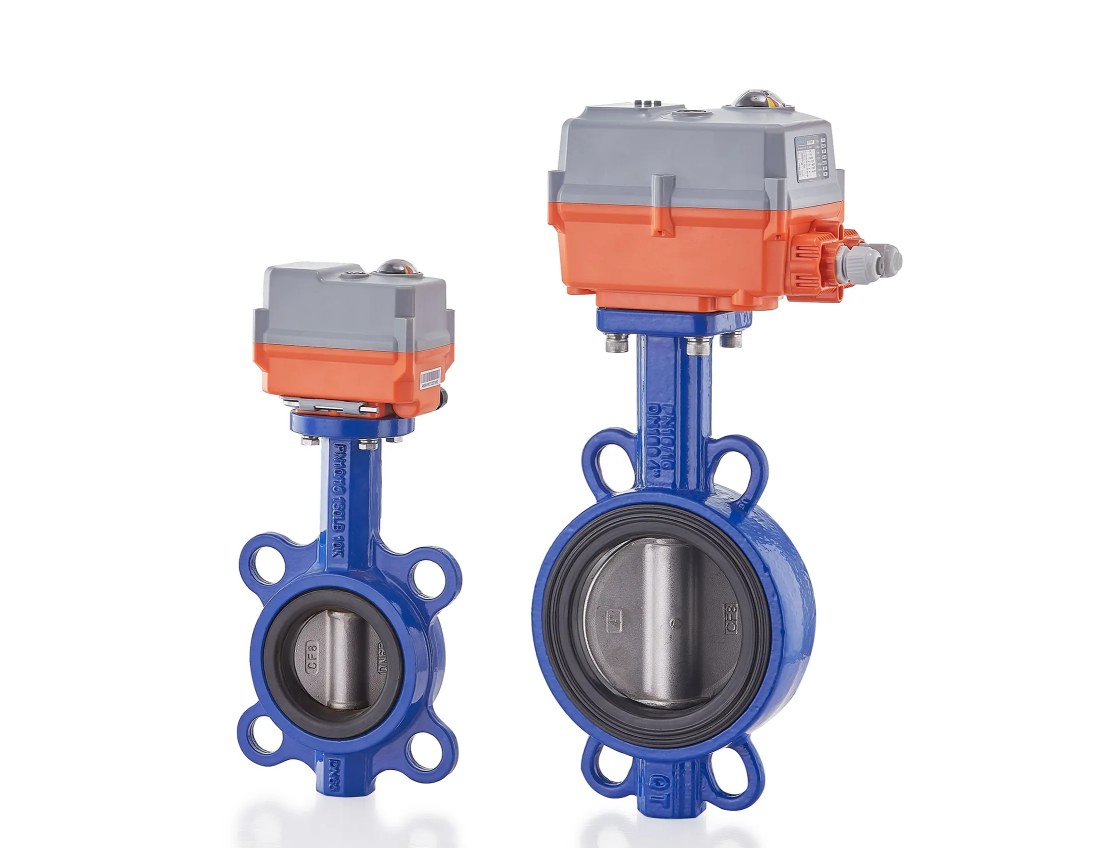
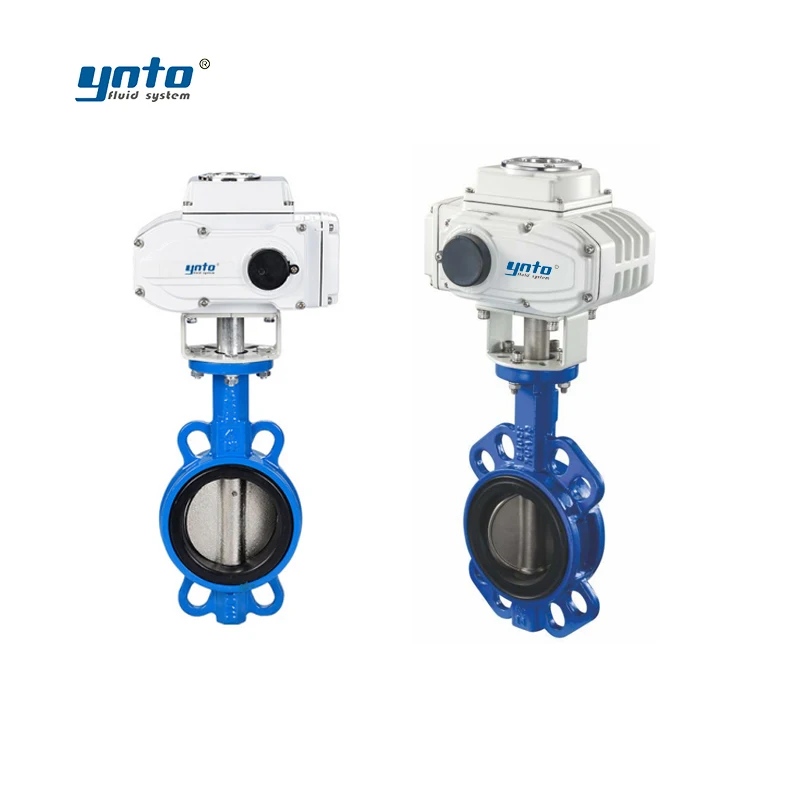
القدرة على الإغلاق ثنائي الاتجاه للصمام لا تقل أهمية كبيرة. تصميم الإغلاق ثنائي الاتجاه يعني أن الصمام يمكنه حجب التدفق في أي اتجاه، وهو أمر مهم عندما يمكن أن تنعكس ضغوط النظام أو تنبض. على سبيل المثال، بعض صمامات الفراشة من YNTO تتميز بهيكل ختم ثنائي الاتجاه "يضمن عدم وجود تسرب صفري" في كلا اتجاهين التدفق. هذا لا يمنع فقط التدفق العكسي غير المرغوب فيه، بل يعني أيضا أن الصمام لا يمتلك اتجاها مفضلا، مما يبسط التركيب. باختصار، فهم لزوجة السائل وسلوكه تحت تغير التدفقات يساعد المهندسين على تحديد الصمامات التي تحافظ على النظام خاليا من التسرب واستجابته.
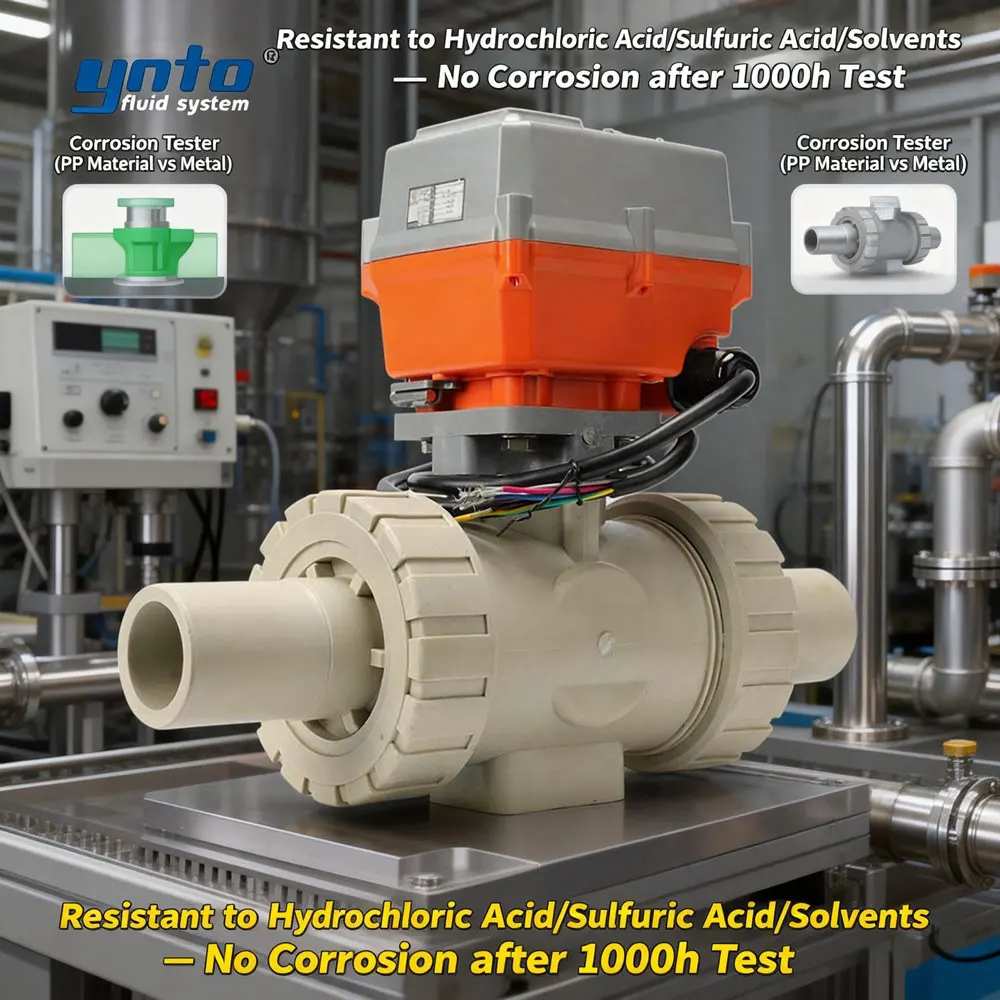
دور صمامات التحكم في الضغط
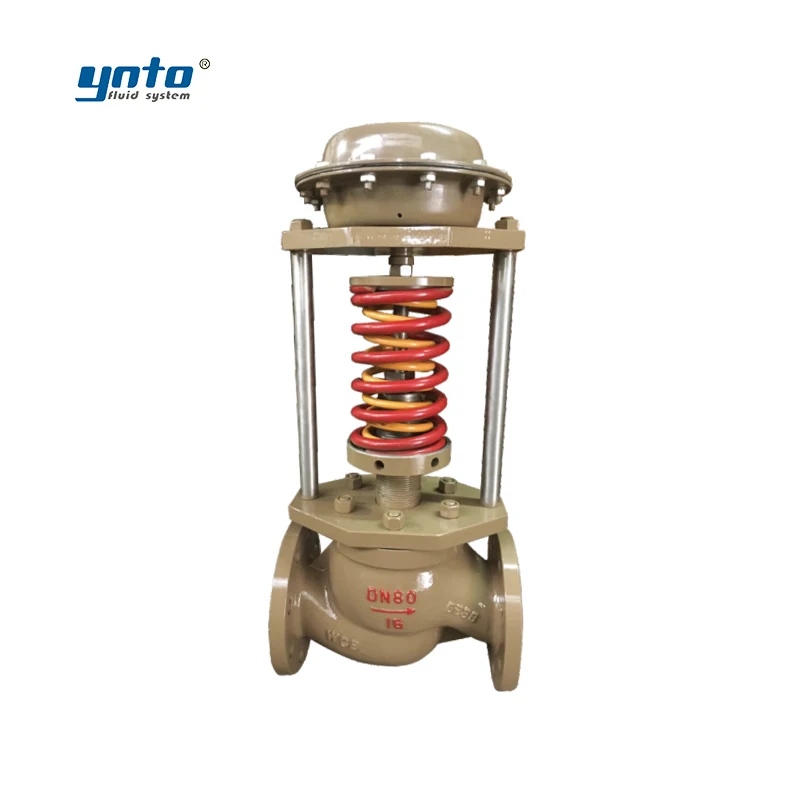
صمامات التحكم في الضغط (بما في ذلك المنظمات، وصمامات الأمان، وصمامات التنفيس) هي "حراس" الاستقرار في أي نظام سوائل. في نظام يحتوي على سوائل منخفضة اللزوجة، تقوم هذه السوائل بتعديل التدفق للحفاظ على الضغط المطلوب دون تجاوز زائد. أحد الأمثلة هو صمام تنظيم الضغط ذاتي التشغيل، يستخدم ضغط الوسط نفسه لضبط البكرة الداخلية. هذا النوع من الصمامات يمكنه تثبيت الضغط في الأسفل دون الحاجة إلى طاقة خارجية: فهو "يستشعر" تلقائيا بارتفاع الضغط ويغلق قليلا، وإذا انخفض الضغط يفتح أكثر. على سبيل المثال، يستخدم منظم YNTO الذاتي الضغط كمصدر طاقة لتحريك بكرة التحكم، محققا "استقرارا في الضغط" مع حركة حساسة وإغلاق جيد.
بدون تحكم مناسب في الضغط، قد يؤدي ارتفاع الضغط العالي إلى دفع السائل إلى تجاوز ختم مهترئ أو إغلاق صمام بقوة، مما يسبب مطرقة الماء. وعلى العكس، يمكن أن يؤدي انخفاض الضغط إلى جوع المرحلة التالية من النظام. من خلال دمج صمامات تحكم ضغط دقيقة في الحلقة، يتجنب المهندسون تلك التذبذبات التي تؤدي إلى اهتزاز، أو تدفق نابض، أو انقطاعات متكررة للإنذار. باختصار، تعمل منظمات الضغط الجيدة جنبا إلى جنب مع صمامات الختم ثنائية الاتجاه للحفاظ على تدفق السوائل ثابتة وكفاءة، مما يقضي على فقدان الطاقة الذي يحدث عندما تكافح المضخات والمشغلات باستمرار عدم استقرار الضغط.
فوائد الختم ثنائي الاتجاه
توفير الطاقة من خلال التصميم الفعال
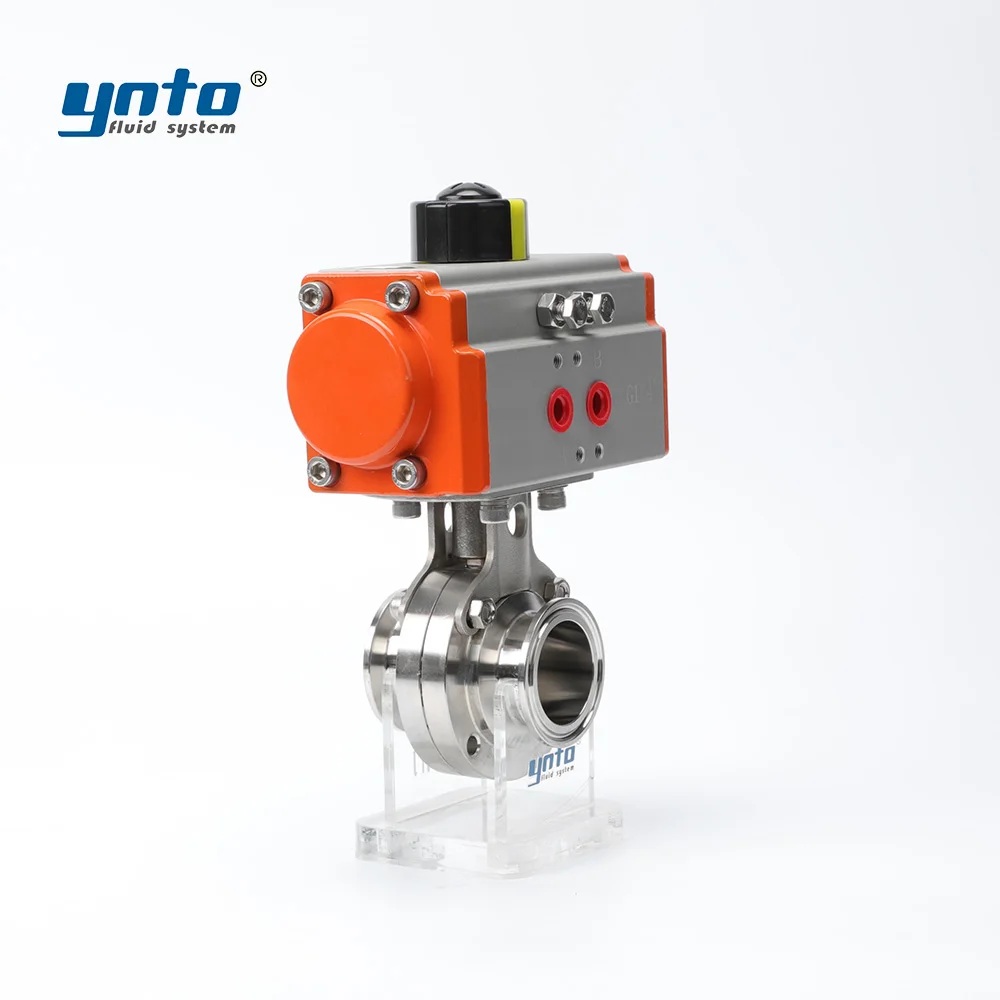
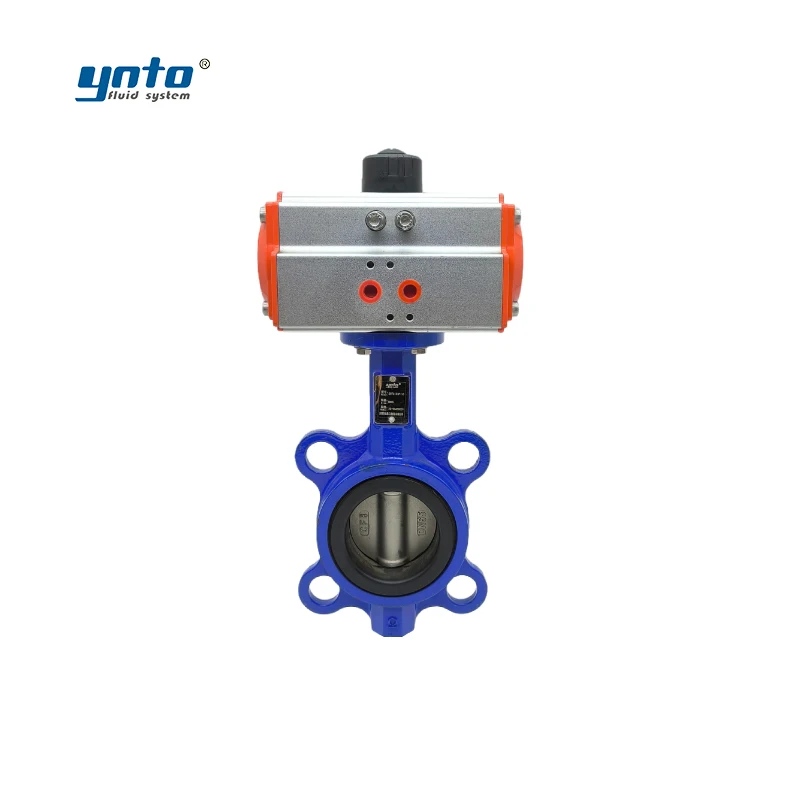
الصمامات ثنائية الاتجاه تحسن كفاءة الطاقة بطبيعتها من خلال إزالة مسارات التسرب. أي تسرب في نظام السوائل يعني أن المضخة أو الضاغط يجب أن يعوض فقدان التدفق، مما يزيد من استهلاك الطاقة. على النقيض من ذلك، الصمام الذي يغلق فعليا في كلا الاتجاهين يزيل تلك الهدر. على سبيل المثال، صمامات الفراشة الهوائية المغلقة بلين من YNTO (موديل D641X) مصممة بمسار تدفق مضغوط منخفض المقاومة ومقعد ثنائي الاتجاه "يضمن عدم وجود تسرب صفري". نظرا لأن مسار التدفق غير معيق والختم مشدود، لا تحتاج المضخة إلى بذل جهد أكبر لدفع الصمام حول الصمام. وبالمثل، يمكن للصمامات الكروية المتقدمة وصمامات التحكم المفعلة تقليل أو إيقاف التدفق مع انخفاض ضغط ضئيل عند الفتح بالكامل، وذلك بفضل التصاميم الداخلية الانسيابية.
فائدة رئيسية أخرى هي تقليل عزم الدوران أو القوة المطلوبة لتشغيل الصمام. نفس صمام الفراشة YNTO D641X يقدم "أداء إحكام ثنائي الاتجاه ممتازا" مع عزم دوران منخفض. العزم التشغيلي المنخفض يترجم مباشرة إلى طاقة تشغيل أقل – سواء كان الصمام يدويا، هوائيا، أو كهربائيا. في الأنظمة الآلية، يعني ذلك مشغلات أصغر وأكثر كفاءة أو أوقات تشغيل مضخات أقصر. على مدى منشأة كبيرة، تتراكم هذه الوفورات: عائلة من الصمامات ثنائية الاتجاه منخفضة الاحتكاك المختارة بعناية يمكن أن تقلل من تكاليف الطاقة عن طريق تقليل حمل المضخة واستهلاك طاقة المشغل. علاوة على ذلك، نظرا لأن هذه الصمامات تغلق في كلا الاتجاهين، يمكن تقليل إغلاقات الأمان الزائدة، مما يبسط الأنابيب ويوفر تكاليف المواد.
دراسات حالة حول تحسين أداء الصمامات
في التطبيقات الواقعية، تظهر مزايا الختم ثنائي الاتجاه بوضوح. فكر في حلقة ماء عالية النقاء في مصنع أشباه الموصلات. استبدل المهندسون صمامات الفحص التقليدية بصمام غجاج ثنائي الاتجاه مزود بأختام PTFE. أزال الصمام الجديد ممر التجاوز الصغير للتدفق العكسي الذي كان يسبب إنذارات التلوث. ونتيجة لذلك، لم تعد المضخة تعمل لتعويض التسرب، مما وفر الكثير من الكهرباء ويقلل من خطر إدخال الشوائب أثناء التسرب.
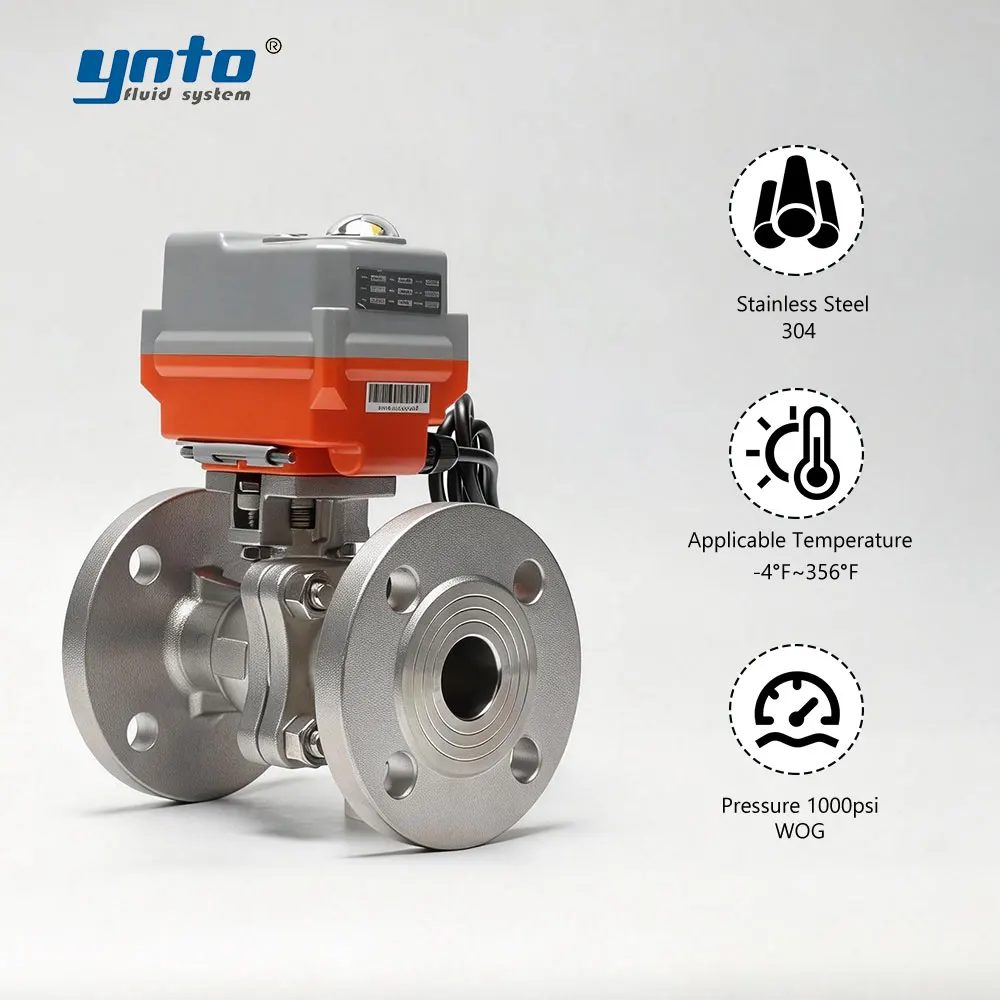
في حالة أخرى، كان مصنع معالجة المواد الكيميائية يعاني من ارتفاع حرارة متكرر بسبب اهتزاز صمامات التحكم في التدفق. من خلال تركيب صمام كروي كهربائي مع مقاعد دقيقة، حقق المشغلون تعديل تدفق أكثر سلاسة. الحجم الميت المنخفض للصمام الكروي وختم التيار ثنائي الاتجاه منعا إعادة تدوير السائل الساخن غير المخطط، لذا بقيت أغلفة التسخين مستقرة وانخفض استهلاك الطاقة. تظهر هذه الدراسات أن تحسين اختيار الصمامات – أي التقاط الصمامات المعروفة بدقة الإغلاق وانخفاض المقاومة – يؤثر مباشرة على الأرباح.
حلول الإغلاق القابلة للتخصيص
تفصيل الصمامات لتطبيقات محددة
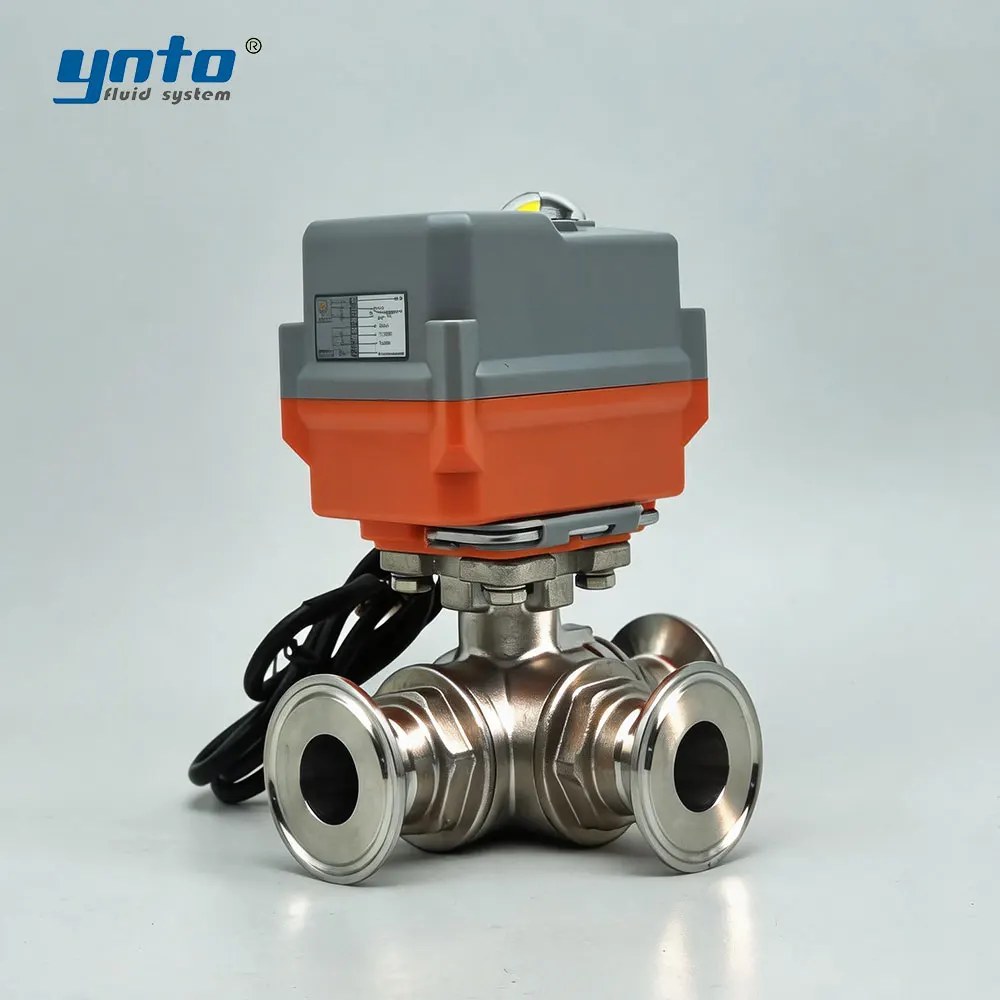
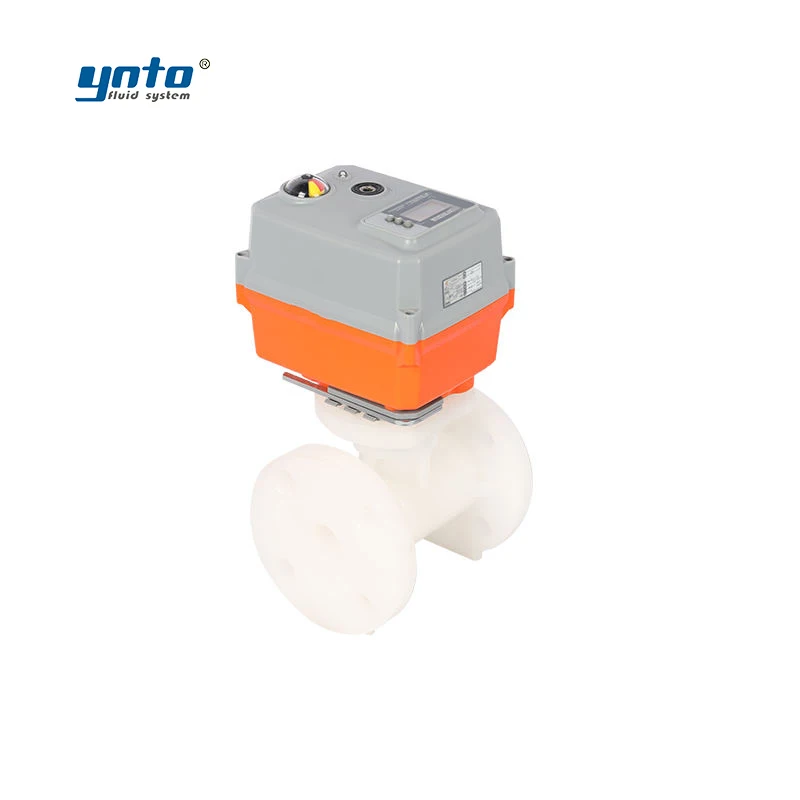
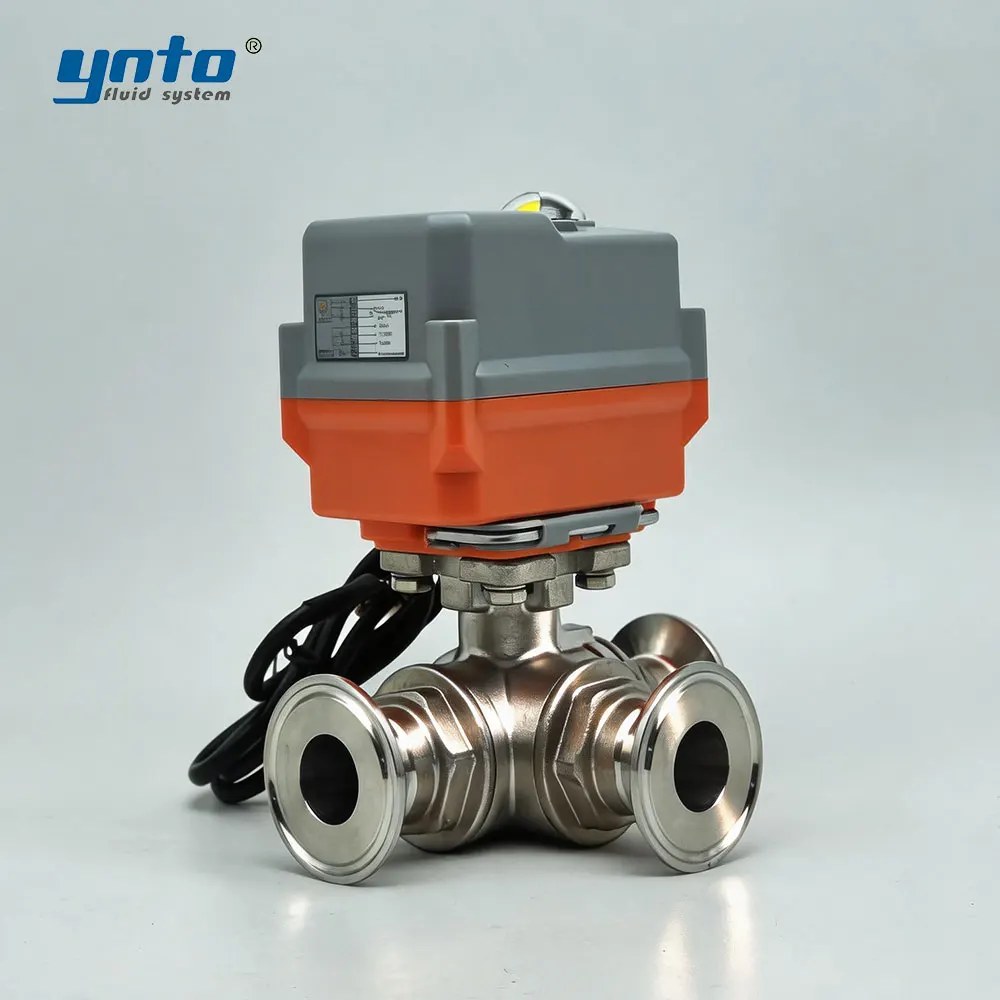
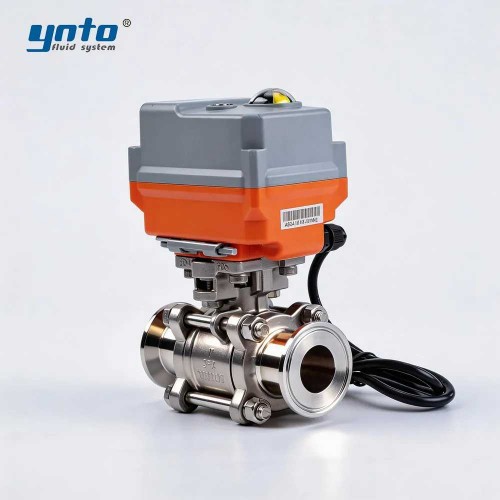
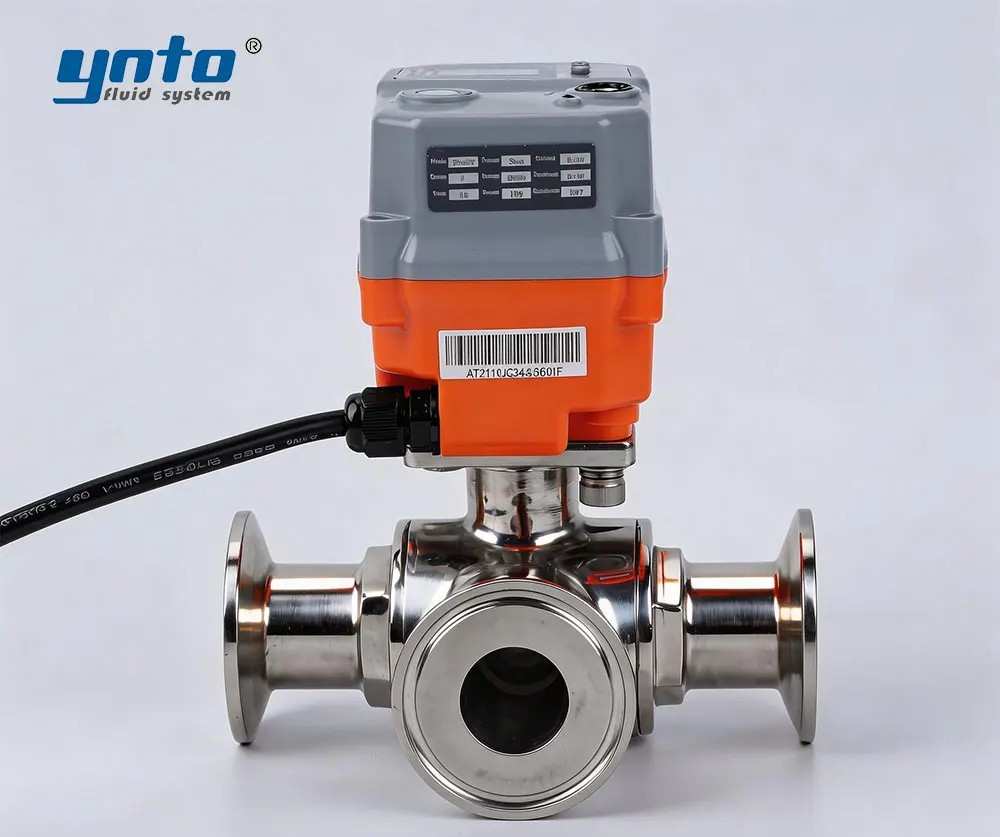
تسمح تقنية الصمامات الحديثة بالتخصيص ليتناسب مع أي تطبيق. على سبيل المثال، تقدم YNTO أنواعا متعددة من المشغلات (كهربائية، هوائية) وأجسام صمامات (فراشة، كرة، حجاب حاجز) يمكن خلطها ومطابقتها. إذا تطلبت العملية الإغلاق الكامل في كلا الاتجاهين، يمكن تحديد صمام كروي كهربائي بمقاعد مزدوجة الإزاحة. إذا كانت هناك حاجة للتشغيل عالي الدورة، قد يتم اختيار صمام فراشة هوائي خفيف الوزن لاستجابته السريعة. المفتاح هو أن كل صمام محسن لأداء وظيفته.
تظهر صفحات المنتجات على موقع YNTO كيفية وصف الحلول المخصصة. يتميز " صمام الفراشة الناعم الختم الهوائي برقائق الهواء الهوائي (D671X)" بتصميمه المدمج وختم ثنائي الاتجاه موثوق، مما يجعله مناسبا لأنظمة الغذاء والماء. على النقيض من ذلك، يقدم "صمام الفراشة الصناعي من الحديد الدلال" للتدفق الثقيل مع مادة مقعد قوية. هذا النطاق من الخيارات يعني أن المهندسين يمكنهم اختيار صمام يتناسب مع حجمه وسرعته وخاصته الختمة مع خصائص السائل. من خلال دمج الأتمتة، يمكن أيضا تجهيز هذه الصمامات بأجهزة تحديد أو وحدات تحكم ذكية، مما يحولها إلى أدوات دقيقة بدلا من أجهزة تشغيل وإيقاف بسيطة. في النهاية، يضمن حل الصمام القابل للتخصيص أن التوفير في الطاقة الناتج عن الإغلاق الجيد لا يعوض بعدم الكفاءة في أماكن أخرى.
أهمية اختيار المواد
اختيار المواد جزء أساسي من تخصيص الصمامات. الاقتران المناسب للمواد يضمن عدم تعرض الختم والمقعد لهجوم من السائل، مما يمنع التسربات والأعطال غير المتوقعة. للتطبيقات المقاومة للتآكل أو المعقمة، تستخدم أجسام الفولاذ المقاوم للصدأ سعة 316 لتر أو الفولاذ السوبر دوبلكس لمقاومتها الممتازة للهجمات الكيميائية. الأسطح غير المعدنية مثل PTFE أو FKM (Viton) يمكنها التعامل مع الأحماض أو القواعد القوية دون أن تتحلل. للصيانة شديدة الكاشط أو التآكل العالي، تقدم YNTO وغيرها من الشركات المصنعة صمامات بطبقات صلبة (FBE أو Halar) أو بطبقة صلبة على الزينة.
على سبيل المثال، تدرج ورقة بيانات صمام الفراشة في YNTO مواد EPDM وNBR وPTFE والسيليكون كمواد للمقاعد – كل منها تم اختيارها للتوافق مع وسائط مختلفة. غالبا ما تستخدم خدمات المياه EPDM لطول عمره؛ قد يستخدم النفط أو الغاز FKM للحرارة والاستقرار الكيميائي. في سياقات توفير الطاقة، يمنع اختيار التسرب التسريبات المستقبلية: إذا كانت مادة ختم الصمام طرية جدا بالنسبة للسائل، فقد يؤدي التآكل الناتج إلى فتح مسار تسرب مما يسبب فقدان الطاقة. من خلال اختيار السبائك والمرطوبات التي تتحمل السائل المحدد (وحتى تطبيق طلاءات واقية من التآكل على أجزاء الفولاذ)، يضمن المهندسون استمرار أداء الصمام عالي الكفاءة لسنوات.
كما توجه معايير الصناعة هذه الخيارات. معظم الصمامات مصممة لتلبية تصنيفات ANSI/ASME أو ISO من فئة الضغط، مما يعني أن موادها واختباراتها معتمدة لضغوط معينة. على سبيل المثال، يتم اختبار صمام ANSI Class 150 إلى 225 psi، مما يمنح الثقة بأنه لن يفشل تحت الأحمال التشغيلية. يمكن العثور على شهادة API أو DIN على العديد من صمامات التحكم والطوارئ، مما يشير إلى اختبارات صارمة لمقاومة التسرب (إغلاق الفقاعة) والقوة. من خلال الالتزام بهذه المعايير، يضمن المصنعون مثل YNTO أن الصمامات ستفي بخصائص كفاءة الطاقة المحددة عند النشر.
تقنية الاحتكاك المنخفض
الآليات وراء صمامات الاحتكاك المنخفض
"الاحتكاك المنخفض" في سياق الصمام يعني تقليل مقاومة تدفق السائل وتقليل الاحتكاك الميكانيكي بين الأجزاء المتحركة. من ناحية التدفق، تصاميم مثل صمامات الكرة كاملة القطر لا تحتوي تقريبا على أي عائق – حيث يمر السائل مباشرة عند فتحه، مما يقلل من فقدان الرأس. الصمامات ذات البروفائل الناعمة وحجم التجويف الدقيق تقلل أيضا من انخفاض الضغط. بالنسبة للأجزاء المتحركة، تحافظ المقاعد منخفضة الاحتكاك (PTFE أو UHMWPE) والمحامل المزلقة جيدا على تقليل قوة التشغيل. على سبيل المثال، يمكن تحسين تصميم الكرة العائمة المستخدم في بعض الصمامات عالية الحرارة (كما نوقش في الأدبيات الصناعية) بجعل المقعد متماثلا لتحقيق إحتام ثنائي الاتجاه. التصميم المحسن يعني أن الكرة لا تلتصق تحت الضغوط العكسية، مما يقلل الاحتكاك الناتج عن إعادة فتح الصمام بعد الضغط العكسي.
ابتكار آخر هو استخدام عناصر نابضية أو عناصر بوبيت تضبط تلقائيا مع الضغط. على سبيل المثال، تستخدم صمامات Fluid Logic بكرة من نوع بوبيت تعزل السوائل منخفضة اللزوجة بلطف أكثر، متجنبة "الاهتزاز" الذي قد يحدث عند دخول الماء فجأة إلى صمام البكرة التقليدي. من خلال تصميم عنصر الصمامات بحيث يكون تلامسا بسيطا مع السطح أو باستخدام محامل فيلم سائل، يقلل المصنعون من الطاقة المهدرة في التغلب على الاحتكاك الساكن. في الجوهر، تعني تقنية صمامات الاحتكاك المنخفضة عزم دوران أقل في كل دورة وزيادة طاقة المضخة تذهب إلى حركة السائل الفعلية.
التأثير على كفاءة النظام
تأثير الصمامات منخفضة الاحتكاك كبير. تخيل سيناريو يكون فيه صمام في خط إعادة تدوير أصعب قليلا في الفتح بسبب مقاومة الهواء. كل تشغيل، أو كل زيادة ضغط هامشية، تتطلب طاقة إضافية من المشغل أو المضخة. اضرب هذا على مئات الدورات يوميا، وستتراكم تكلفة الطاقة. على النقيض من ذلك، قد يحتاج الصمام المصمم بديناميكيات احتكاك منخفضة (التقليم الناعم، الحجم المناسب، والأختام الدقيقة) إلى جزء بسيط فقط من تلك الطاقة لتحقيق نفس معدل التدفق.
أما بالنسبة للسائل، فانخفاض الاحتكاك يعني طاقة ضخ أقل. نتيجة كلاسيكية من ميكانيكا الموائع هي أن انخفاض الضغط ∆P عبر الصمام يتناسب مع التدفق المربع (للتدفق الاضطرابي)، لكنه خطي للتدفق الطبقي. من خلال إبقاء التدفق طبقيا أو قريبا من الطبقي مع مسار سلس، يهدر السائل منخفض اللزوجة طاقة أقل في التغلب على الاضطراب في الصمام. أظهرت الاختبارات الميدانية أن استبدال صمام كرة قديم بصمام كروي بنفس الحجم في خط المياه يمكن أن يقلل رأس المضخة المطلوب بنسبة 20-30٪. على مدار عمر المصنع، تعوض هذه التوفير تكلفة الصمام بعدة مرات. علاوة على ذلك، يمنع الإغلاق الدقيق الحاجة إلى تدفقات متوازية إضافية أو تحويلات أمانية، والتي تؤدي إلى خسائر مستمرة.
التطبيقات الصناعية
الصناعات الرئيسية التي تستخدم هذه الصمامات
تجد صمامات الختم ثنائية الاتجاه منخفضة اللزوجة تطبيقات في العديد من الصناعات. في معالجة المياه والصرف الصحي، تتحكم صمامات الفراشة والكروية المزودة بمقاعد EPDM/PTFE في التدفقات بأقصى درجات السرب لتجنب التلوث البيئي. غالبا ما تأتي هذه الصمامات مع مشغلات تعدل الفتح للحفاظ على معدلات تدفق دقيقة في دورات المعالجة. في صناعة الكيماويات والبتروكيماويات ، يجب على الصمامات التعامل مع السوائل المتطايرة منخفضة اللزوجة (مثل المذيبات أو الغازات) بأمان. المواد المقاومة للتآكل (فولاذ مزدوج، سبائك عالية الجودة) والختم ثنائي الاتجاه تساعد في منع الانبعاثات الهاربة.
صناعة أشباه الموصلات حساسة بشكل خاص: فالماء فائق النقاء أو المواد الكيميائية عالية النقاء تضخ عبر أنظمة حيوية، وحتى تسرب بسيط يمكن أن يفسد الرقاقة. لذا، تستخدم مصانع أشباه الموصلات صمامات مضادة للتلوث عالية النقاء وتقنية ختم دقيقة. على سبيل المثال، صمام كرة كهربائي من الفولاذ المقاوم للصدأ مزود بمقعد PTFE مغلف بالكامل يوفر كل من الإغلاق بدون تسرب وخاملا كيميائيا. في مجال الغذاء والتقنيات الحيوية، تتعامل صمامات الحجاب الحاجز الصحي ذات الحجم الميت المنخفض مع سوائل معقمة؛ تصميمها ثنائي الاتجاه وسهولة التصريف السريعة يعزز النظافة والكفاءة. حتى في مجال الطاقة والتكييف، تصنع صمامات التحكم في الغاز (للغاز الطبيعي) بطبقات خاصة منخفضة الاحتكاك بحيث يمكن تنظيم تدفقات الغاز منخفضة الضغط مع تسريب قليل.
التطورات المستقبلية في تكنولوجيا الصمامات
بالنظر إلى المستقبل، تواصل تقنية الصمامات التطور نحو تصاميم أكثر ذكاء وكفاءة. تتطور تقنية الختم الدقيق مع مطاطات أفضل وسيراميك هندسي يقاوم التآكل. المحركات الناشئة ذات الذكاء المدمج (التحكم في التغذية الراجعة، استشعار الموقع) تعني أن الصمامات يمكنها التكيف في الوقت الحقيقي مع ديناميكا الموائع، مما يستنزف الطاقة المهدرة. هناك أيضا اتجاه نحو التصاميم المعيارية: صمامات يمكن تبديل تشكيفها أو مقاعدها بسوائل مختلفة، مما يقلل من وقت التوقف ويعدل الأداء. يستكشف الباحثون أيضا مكونات صمامات التصنيع الإضافي (مطبوعة ثلاثية الأبعاد) التي يمكن أن تحتوي على هندسات داخلية محسنة للتدفق يصعب تصنيعها، مما يقلل من انخفاض الضغط أكثر.
وفي الوقت نفسه، ترفع معايير الصناعة مستوى الأداء المقاوم للتسرب: فعلى سبيل المثال، من المرجح أن تدفع معايير API وISO الجديدة للانبعاثات الهاربة المزيد من المنشآت إلى اعتماد تصاميم ثنائية الاتجاه منخفضة الانبعاثات ومعتمدة. وبروح التحسين المستمر، تشهد صناعة الصمامات تحولا نحو تصميم نظام شامل – ليس فقط شراء صمام، بل تصميم حلقة التحكم الكاملة في السوائل (المضخات، الحساسات، الصمامات) لتعظيم الكفاءة. في هذا السياق، تعتبر صمامات الختم ثنائية الاتجاه منخفضة اللزوجة كعوامل رئيسية ممكنة لهذا التحسين.
الخاتمة
باختصار، تلعب صمامات الختم ثنائية الاتجاه منخفضة اللزوجة دورا محوريا في تعزيز كفاءة الطاقة في أنظمة السوائل. من خلال توفير ختم "صفر تسرب في كلا الاتجاهين، تمنع هذه الصمامات هدر السوائل وتقلل من طاقة المضخة. ديناميكا السوائل المحسنة لديهم (مقاومة منخفضة، مسارات انسيابية) ومواد المقاعد المتقدمة (مثل PTFE وFKM) تقلل من الاحتكاك والتآكل. من وجهة نظر المهندس، اختيار الصمامات المصممة لهذه الظروف يعالج المشاكل الجذرية مباشرة – تقليل تقلبات الضغط وتجنب التسريبات التي تؤدي إلى فقدان الطاقة.
بالنسبة للصناعات التي تهدف إلى خفض التكاليف وتحقيق الأهداف البيئية، فإن الاستثمار في مثل هذه الصمامات يعد انتصارا واضحا. تترجم فوائد الختم الدقيق والتصاميم القابلة للتخصيص إلى استهلاك طاقة تشغيلي أقل، وصيانة أقل، وعمر أطول للنظام. نشجع المصانع على تقييم مخزون الصمامات لديهم وفقا لهذه أفضل الممارسات: التأكد من أن الخطوط الحيوية تستخدم صمامات ثنائية الاتجاه حقيقية (مثل صمامات الفراشة الناعمة من YNTO أو صمامات الكرة عالية المقاومة للتسرب) وأن المواد تتناسب مع ظروف السوائل. وبذلك، يمكنهم تأمين توفير الطاقة ومكاسب الموثوقية التي لا يمكن أن تقدمها إلا تقنية الصمامات المناسبة.
- 2026-10-09 14:26:55
.png?imageMogr2/format/webp)
- 2026-09-30 08:25:23
- 2026-09-28 10:28:43