

Upgrade Your System with 1:1 Replacement Valves
- 2026-08-10 11:11:47
- admin
- NO COMMENTS
The old imported control valve had been operating on the steam-reduction line for nearly twelve years. From the outside, it still looked serviceable. The paint was faded, the actuator casing had several oil stains, and the nameplate was barely readable, but none of those details had stopped production. The real warning appeared during a routine shift: downstream pressure began moving between 5.8 and 6.5 bar even though the control signal remained steady.
When engineers inspected the valve, they found several familiar problems. Stem friction had increased, the packing showed minor leakage, and the actuator needed noticeably more force to complete its stroke. The original overseas manufacturer could still provide a replacement, but the quotation was high and the delivery period extended well beyond the planned shutdown.
This is where a properly engineered 1:1 replacement becomes valuable. Instead of redesigning the pipeline, changing the mounting arrangement, or rewriting the control logic, the replacement valve is manufactured to match the critical dimensions and operating parameters of the original imported brand. The price is more practical, yet the required performance does not need to be reduced—provided that the replacement is based on complete technical data and verified through appropriate testing.
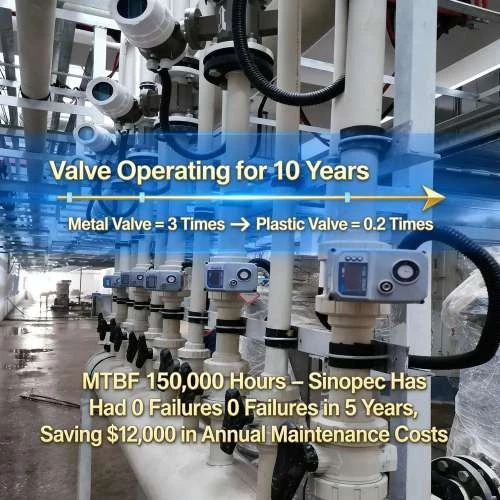

Why Upgrade to High-Performance Valves?
Enhancing Performance and Longevity
Industrial valve replacement should solve more than an immediate leakage problem. A new valve must restore controllability, pressure integrity, and mechanical reliability while fitting the existing system with minimal modification.
Engineers carrying out inspections often notice that valve deterioration develops gradually. Repeated temperature cycling causes the seat and packing materials to expand and contract. The sealing material then loses elasticity, shut-off performance declines, and a small internal leak begins to affect downstream temperature or pressure. In another common chain, pipeline pressure fluctuations create micro-vibration around the stem or closure element. That vibration produces localized wear, increasing friction and eventually delaying valve response.
A 1:1 replacement valve should therefore match more than the nominal diameter. The engineering review normally includes:
· Face-to-face dimensions
· Flange drilling and pressure class
· Bore diameter and flow coefficient
· Body, trim, stem, and seat materials
· Operating temperature and differential pressure
· Actuator torque or thrust
· Control signal and feedback requirements
· Fail-open, fail-close, or fail-in-place action
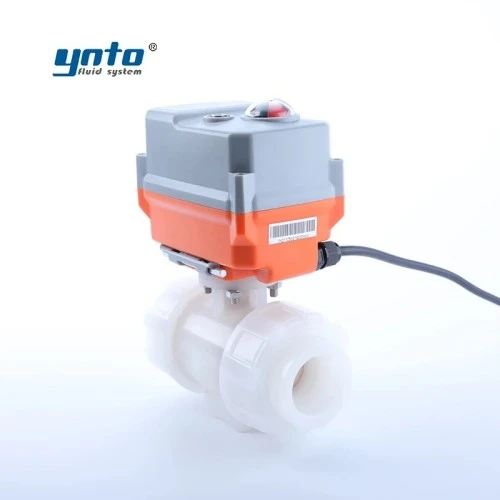
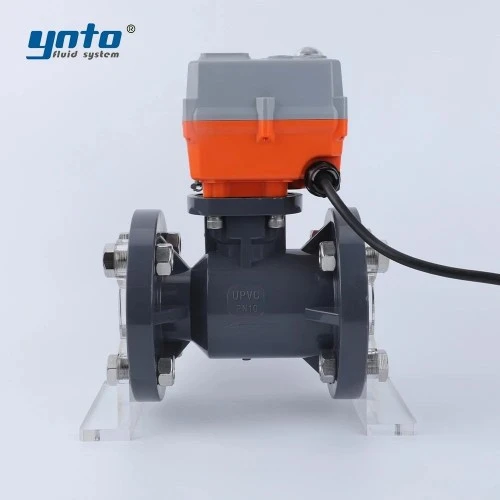
For isolation duties, a two-piece flanged stainless steel electric ball valve can be configured in different body, seat, pressure, and temperature combinations. The published range includes DN15–DN200, PN10–PN64, stainless or duplex materials, and PTFE, PPL, or metal-seated arrangements, giving engineers room to reproduce the functional envelope of many older imported valves.
A properly matched replacement reduces installation work because the pipe spool, support structure, and electrical routing can often remain unchanged. That matters during a short shutdown. Every additional flange modification or cable change consumes time that production teams may not have.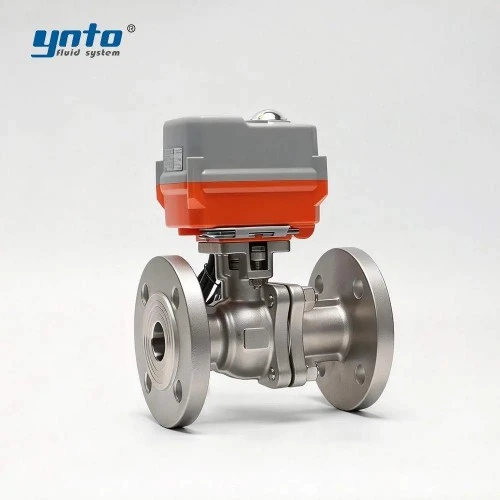
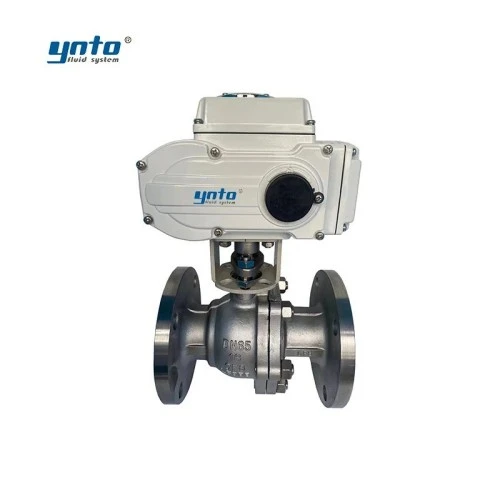
Environmental Considerations
Keeping an existing system in service is often more sustainable than replacing an entire valve station. A true drop-in replacement can reuse pipework, mounting brackets, control cables, air lines, and nearby instrumentation. Less cutting and welding means less scrap metal, fewer consumables, and a shorter shutdown.
The environmental benefit also continues after installation. A valve with tight shut-off reduces product loss, steam leakage, compressed-air waste, and unnecessary pump operation. When a control valve responds correctly, the process reaches its setpoint sooner and avoids repeated overcorrection.
Material selection has a direct effect on that service life. Carbon steel may remain suitable for general water, oil, and steam applications. A 316L body is preferable where chloride exposure or corrosive cleaning media are present. Duplex or Super Duplex can be justified in more severe chloride service. PTFE provides broad chemical resistance, while EPDM is commonly selected for water and certain utility systems. FKM may be more suitable where higher temperature or particular oils and chemicals are involved.
Selecting an unsuitable material creates another clear failure chain:
Corrosive medium → incompatible body or trim material → localized pitting → reduced pressure-boundary thickness → leakage and unplanned shutdown.
The lower purchase price of an incorrectly specified valve rarely survives the first maintenance cycle.
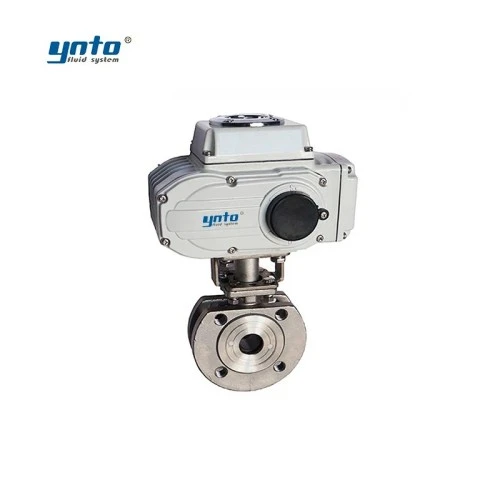
Step-by-Step Guide for Industrial Valve Replacement
Preparing for Replacement
Preparation begins with identifying what the existing valve actually does—not simply copying the model number from an old nameplate.
The engineer should record the process medium, normal and maximum pressure, temperature range, required flow, differential pressure, operating frequency, leakage class, and control philosophy. The old datasheet, piping and instrumentation diagram, dimensional drawing, actuator manual, and maintenance history should be reviewed together.
Photographs are useful, but measurements are better. Check the face-to-face length, flange outside diameter, bolt-circle diameter, number and size of bolt holes, stem height, actuator orientation, and available maintenance clearance. For threaded or welded valves, verify the thread standard or weld-end dimensions rather than assuming that two nominally identical sizes are interchangeable.
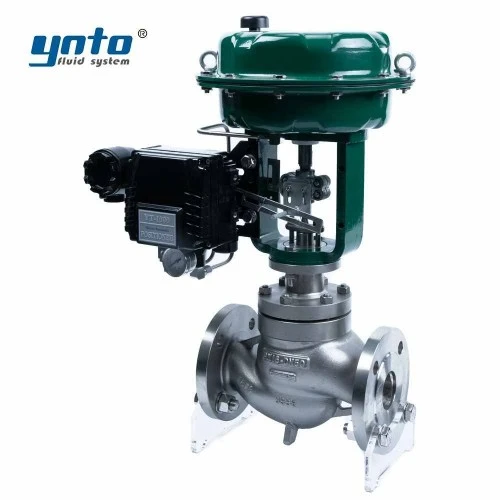
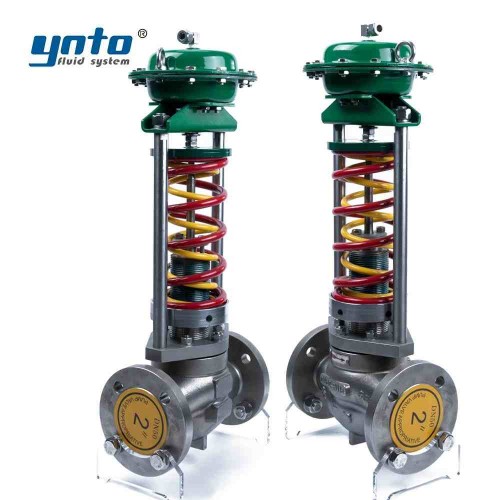
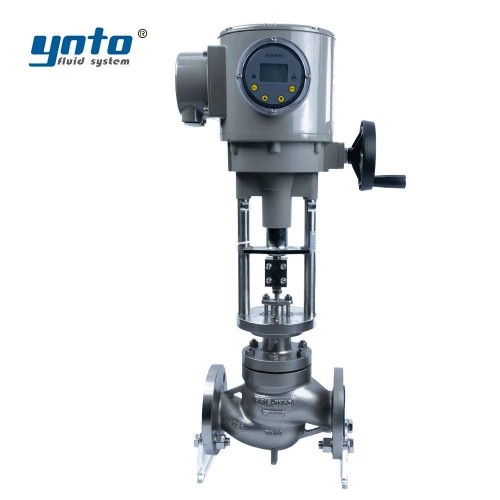
Modulating applications require extra attention. A replacement control valve must match the process requirement for Cv or Kv, rangeability, characteristic, and allowable differential pressure. YNTO’s electric single-seat control valve, for example, accepts a 4–20 mA control signal and is offered across DN20–DN300, several nominal pressure levels, and a stated medium-temperature range extending from −40°C to 450°C. These parameters provide a starting point for replacing older imported regulating valves, but final sizing must still be based on the actual process data.
The safety review should be completed before removal begins. The line must be isolated, drained, depressurized, cooled, and locked out under the plant’s approved procedure. Hazardous, corrosive, toxic, or high-temperature media may remain trapped inside the body cavity even when pressure gauges read zero.
Tools and Materials Needed
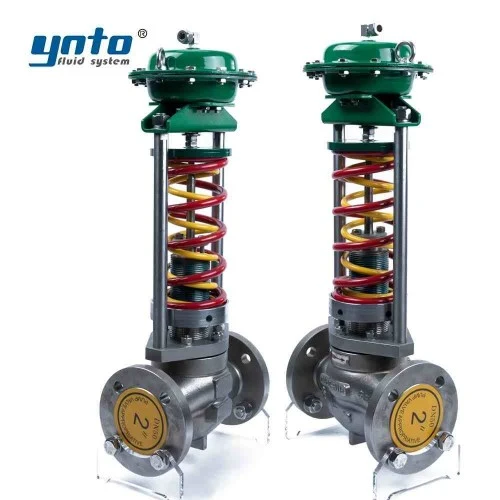
A 1:1 replacement normally requires fewer site modifications, but the installation team still needs the correct equipment. Calibrated torque tools are important because uneven flange loading can damage gaskets or distort the body. Lifting equipment should be selected according to the combined valve-and-actuator weight, not the valve body alone.
Replacement gaskets, bolts, grounding components, cable glands, tubing fittings, and mounting hardware should be available before shutdown. Reusing old sealing components may save a few minutes during installation but increases the risk of startup leakage.
For automated valves, technicians should also prepare a multimeter, loop calibrator, insulation tester, and signal simulator. Before the process line is returned to service, the team should verify:
· Full opening and closing travel
· Local and remote operation
· Position feedback
· Fail-safe action
· Torque or overload protection
· Limit-switch settings
· Modulating accuracy
· Seat and shell tightness
ISO 5208 addresses examinations and pressure testing used to verify pressure-boundary integrity, closure tightness, and the structural adequacy of metallic valve closure mechanisms. API 598 is another recognized basis for valve inspection and testing, while API 608 applies specifically to metal ball valves with flanged, threaded, and welding ends.
Navigating the Valve Supply Chain
Reliable Vendors for Sourcing Valves
The most reliable industrial valve replacement supplier is not necessarily the company that provides the fastest quotation. A capable vendor should ask technical questions before committing to a 1:1 match.
At minimum, the supplier should review the original drawing, nameplate information, service conditions, material specification, actuator details, control signal, connection standard, and required testing. When the original documentation is incomplete, reverse engineering may involve dimensional measurement, material verification, torque calculation, and examination of the existing valve’s internal structure.
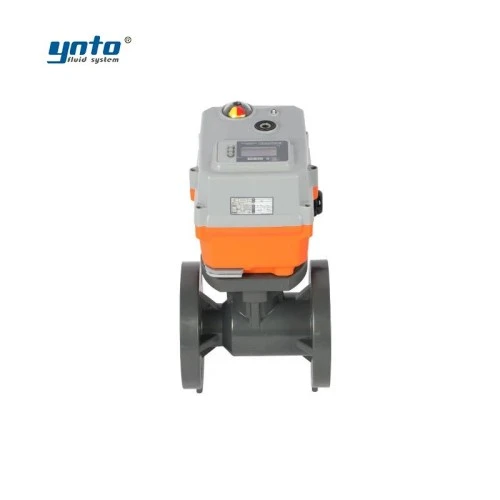
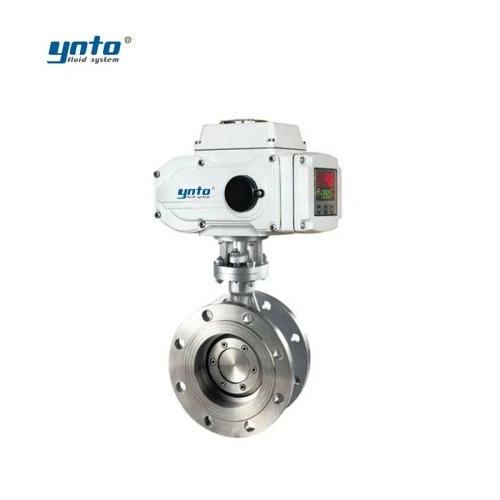
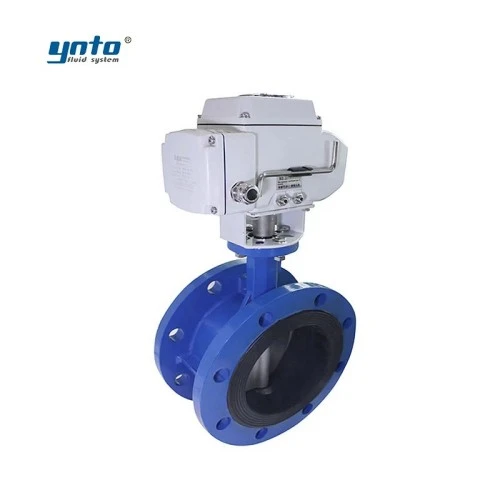
YNTO’s replacement approach can cover electric valves, pneumatic valves, control valves, diaphragm valves, ball valves, butterfly valves, and actuator packages. For high-temperature or large-diameter isolation duties, an electric hard-seal butterfly valve may provide a practical alternative to an aging imported unit when its face-to-face length, flange standard, sealing arrangement, torque requirement, and control interface are correctly matched.
Documentation is part of the product. Buyers should request dimensional drawings, material certificates, pressure-test reports, actuator wiring diagrams, inspection records, and relevant conformity documents before shipment. A valve that physically fits but cannot pass the customer’s quality review is not a successful replacement.
Understanding Lead Times and Costs
Imported-brand replacement projects are often delayed by long factory lead times, regional distributor margins, discontinued models, or proprietary actuator interfaces. In some cases, the original valve is still available, but the cost is difficult to justify for a mature production line.
A locally engineered or direct-from-manufacturer alternative can reduce procurement cost because it removes several layers from the valve supply chain. It may also shorten communication time when drawings, materials, control options, and testing requirements need to be revised.
Price comparisons should still be made on equal technical terms. A quotation for a carbon-steel valve with a standard PTFE seat should not be compared directly with an imported 316L valve using reinforced high-temperature seating and explosion-proof actuation. A credible cost comparison includes:
· Valve body and trim materials
· Pressure and temperature rating
· Leakage requirement
· Actuator type and enclosure rating
· Positioner or feedback accessories
· Documentation and testing
· Spare parts
· Freight and expected delivery
· Installation modifications
The most economical replacement is the one that lowers total installed and operating cost—not merely the initial purchase price.
Exploring Customized Valve Solutions
When Standard Options Aren’t Enough
Standard valves are efficient when the existing system follows common dimensional and control conventions. Older imported equipment, however, may use discontinued face-to-face dimensions, nonstandard stem couplings, unusual flange drilling, or proprietary feedback wiring.
Chemical and semiconductor plants create another challenge. The external dimensions may be simple to reproduce, but the wetted materials cannot be selected casually. Acids, alkalis, solvents, high-purity water, and aggressive cleaning chemicals require accurate compatibility review.
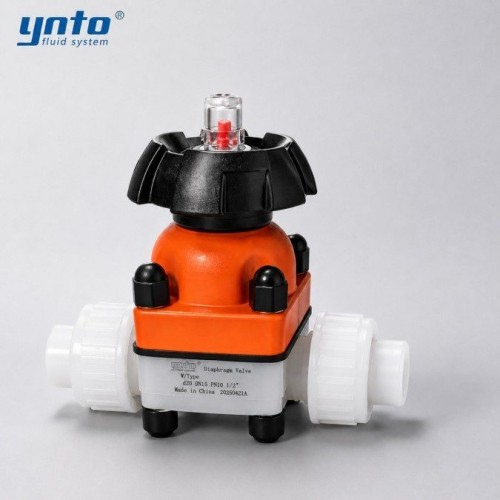
In these services, a PVDF diaphragm valve can offer corrosion resistance and contamination-controlled fluid handling. The CNYNTO model is positioned for chemical transport, ultrapure-water systems, water treatment, and high-purity applications, making it relevant when replacing imported plastic or lined diaphragm valves.
Customization may include a special body material, modified bore, alternative diaphragm, nonstandard flange, extended stem, heating jacket, custom bracket, high-temperature packing, or a particular fail-safe arrangement. The objective is not to copy every visible detail. It is to reproduce the dimensions and functions that affect installation, safety, controllability, and service life.
Benefits of Custom Designs
A customized 1:1 replacement avoids the cost of modifying pipework, control cabinets, support structures, and operating procedures. It also allows known weaknesses in the original design to be corrected.
For example, an older actuator may use insufficient torque margin, causing intermittent stalling as the valve ages. A replacement can retain the original mounting envelope and control signal while increasing available torque. Likewise, a standard elastomer may be replaced with a more compatible PTFE, EPDM, or FKM arrangement after reviewing the actual medium and temperature.
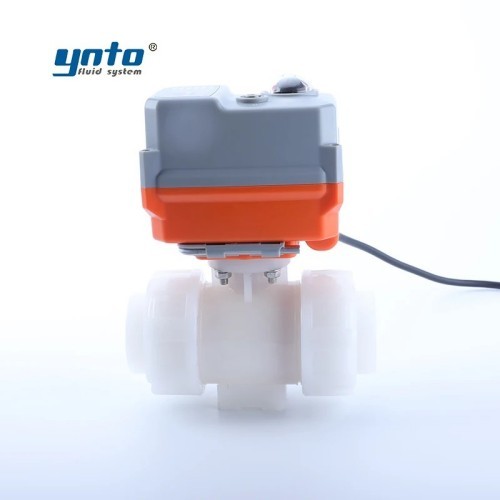
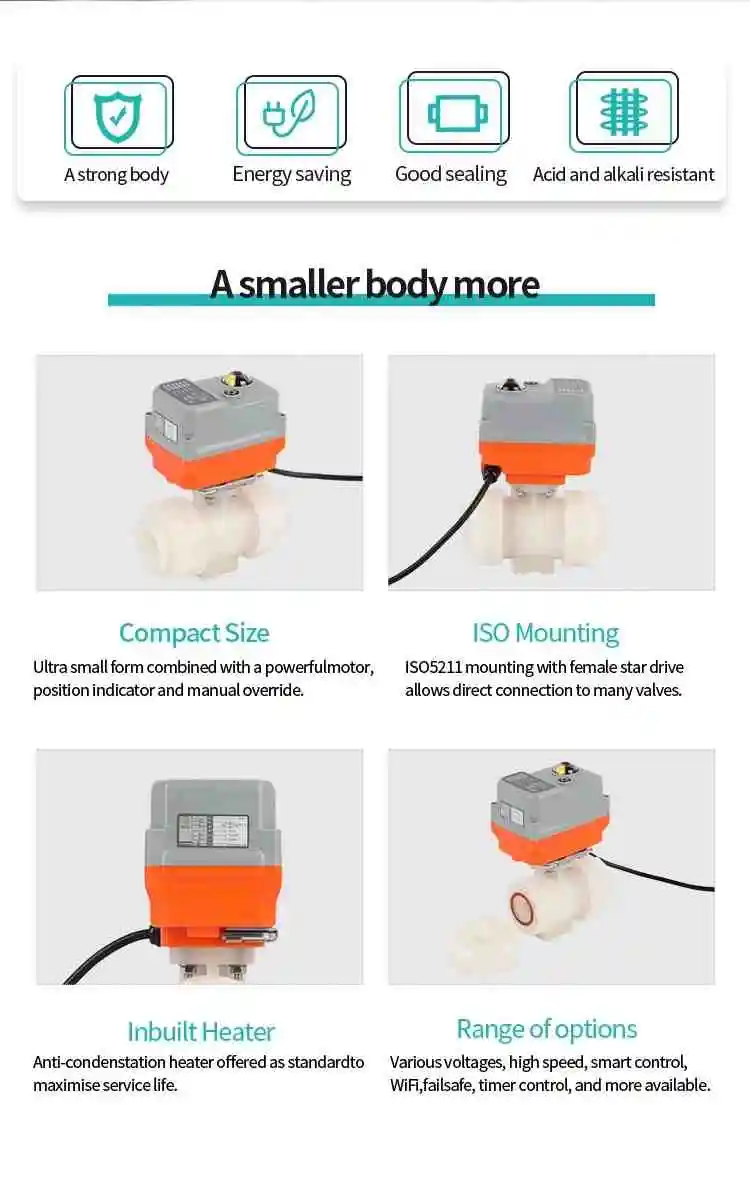
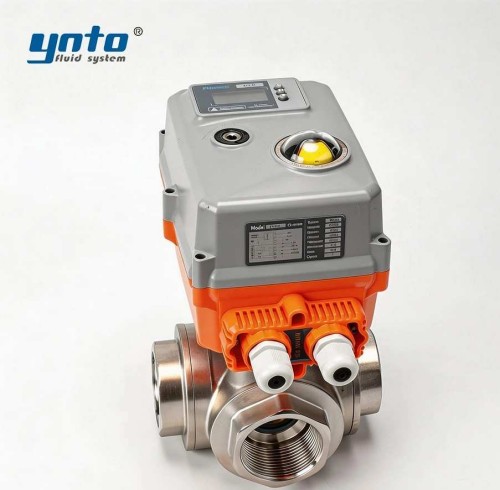
The fast-acting electric valve actuator is available with on-off, modulating, bus-control, and wireless control configurations. Such options allow an imported actuator package to be replaced without forcing the customer to abandon its existing automation concept.
Mechanical interfaces should follow recognized standards wherever possible. ISO 5211:2026 specifies attachment dimensions and torque-reference values for part-turn actuator interfaces. ASME B16.34 addresses pressure-temperature ratings, materials, testing, marking, and dimensional requirements for applicable valves. DIN EN 558 standardizes face-to-face and center-to-face dimensions for flanged metallic valves. These standards do not eliminate engineering verification, but they make replacement projects more predictable.
Conclusion
Making Informed Decisions in Valve Replacement
Replacing an old imported valve does not require accepting another expensive imported unit, nor does it mean lowering the technical standard of the system. A properly developed 1:1 replacement can preserve the original installation dimensions, operating characteristics, automation interface, pressure rating, and material performance at a more affordable procurement cost.
The process must remain engineering-led. Measure the existing valve. Confirm the duty conditions. Match Cv or Kv, torque, materials, pressure class, temperature range, leakage performance, fail action, and control signals. Then verify the finished assembly through dimensional inspection, functional testing, and pressure or leakage testing appropriate to the application.
YNTO can support replacement projects using original drawings, nameplate information, physical samples, or site measurements. Standard products are suitable for many installations, while customized valve solutions address obsolete models and proprietary interfaces. The result is a practical alternative for buyers seeking imported-brand performance without imported-brand pricing.
A 1:1 replacement should fit the old system. More importantly, it should give that system a longer and more predictable working life.
- 2026-09-18 09:42:46
- 2026-09-16 09:30:53
- 2026-09-14 15:59:43